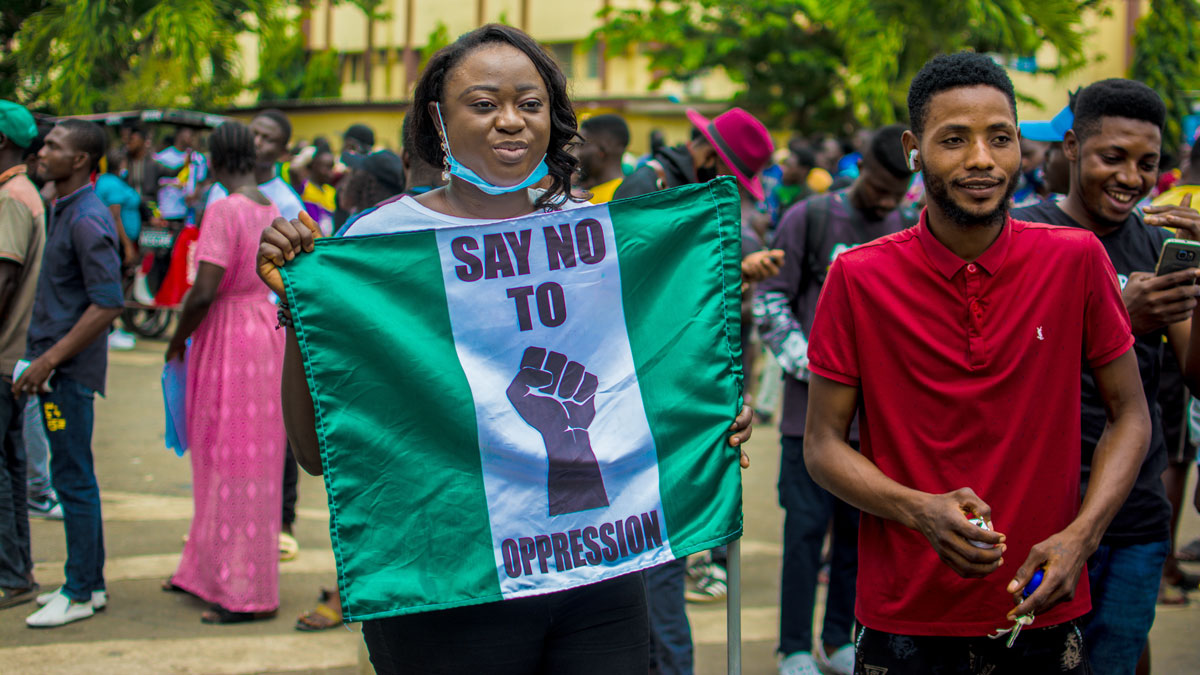
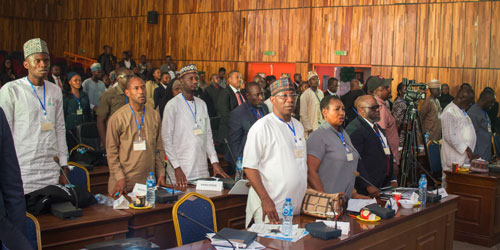
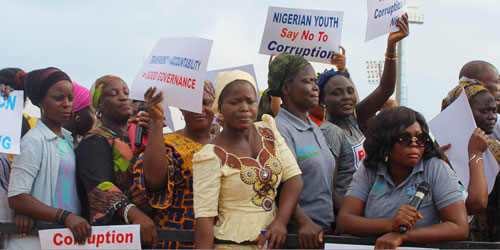
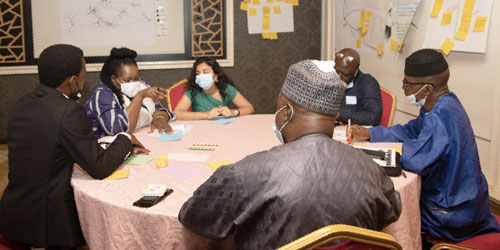
In addition, On Nigeria strengthened the accountability ecosystem and the fields in which we work (anti-corruption, accountability, philanthropy, media and journalism, behavior change, and criminal justice reform) to:
- continue anti-corruption and accountability investment;
- promote collaboration and the cohort approach;
- strengthen GESI generally and in anti-corruption work;
- support local organizations and unlikely coalitions of actors;
- and encourage investment in grantee partners, their organizations, and in civil society.
We convened groups, leveraged networks, and shared assets as well as our grantmaking resources to influence peers and partners. With our evaluation and learning partner, we shared a Learning Library of briefs, reports, and memos that explore evidence related to the program's overarching goals.
Grantee organizations informed and used a gender equity and social inclusion toolkit; they have generated thousands of investigative stories, research reports, legal guidebooks, advocacy tools, and other content that could be used by others. Many are made available on Partners United Against Corruption, in the MacArthur Learning Library, and on the Trust, Accountability, and Inclusion Collaborative websites. In addition, Juritrust Center for Socio-Legal Research and Documentation will also house criminal justice publications and conduct trainings through its Administration of Criminal Justice Learning Academy.
We previously engaged EnCompass, LLC and transitioned to Itad in 2025 as our Evaluation and Learning Partner to assess the progress of our strategy, test the assumptions underpinning it, and collect information about the context in which our strategy operates. The focus of these activities is on learning. We aim to understand the extent to which our strategy contributed to strengthening accountability and transparency in Nigeria, how it influenced change, and under what conditions.
Informed by On Nigeria’s first phase of grantmaking, both our approach to the work and our evaluation of that work shifted. The initial evaluation priorities focused on examining our assumptions about how grantees could collectively contribute to meaningful change. A 2019 Evaluation Report built on initial learnings and informed ongoing learning and decision making. In 2025, our Evaluation and Learning Partner conducted a final evaluation of On Nigeria to better understand what the program achieved, and under what conditions. The final evaluation includes lessons and insights to inform future work and aims to equip others interested in strengthening accountability—in Nigeria, and beyond—with evidence to drive effective programming.