






Kole Shettima and Erin Sines, Co-Directors, On Nigeria, discuss how multiple, aligned grants with support for collaboration fostered trust, learning, and collective action.
The MacArthur Foundation’s On Nigeria Program was a ten-year, place-based accountability and anti-corruption Big Bet in Nigeria. Launched in 2016, it was designed to support Nigerian-led efforts to reduce corruption by promoting transparency, participation, and accountability. The program funded work in a variety of sectors, but across all of them it emphasized collaboration, invested in skill building, and prioritized gender equity and social inclusion in programming and operations.
The final evaluation found that despite difficult circumstances that included the COVID-19 pandemic, double-digit inflation and soaring prices, extreme weather events related to climate change, insecurity, and a change in presidential administration, On Nigeria showed progress on nearly all major outcomes.
Collaboration led to greater trust, learning, and collective action.
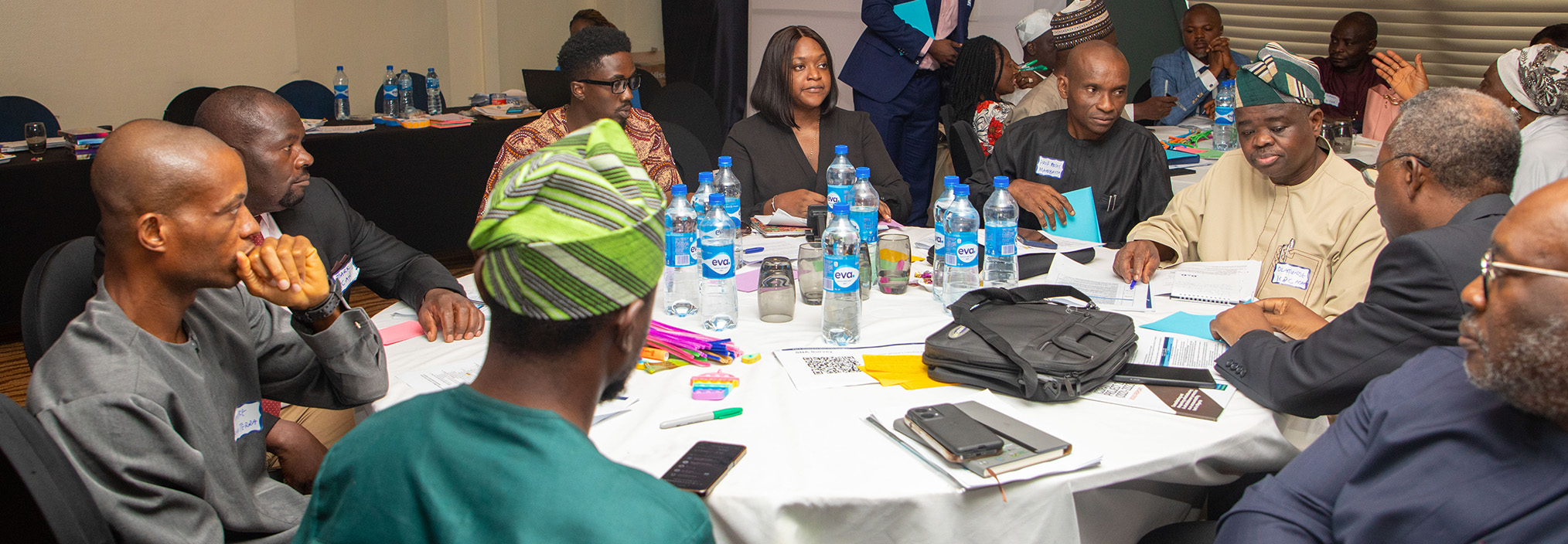
One key finding of the final evaluation was that On Nigeria’s practice of making multiple, aligned grants at the same time–what we call our cohort approach–successfully fostered collaboration among grantees, and collaboration led to greater trust, learning, and collective action.
Cohorts Enabled Collaboration and Learning
We learned that the way we worked mattered as much as the grants we made. In particular, our efforts to foster coordination, collaboration, and investments in the health and wellbeing of grantees and their organizations helped the program achieve many of its goals.
Specifically, with the cohort approach, we asked prospective grantees to discuss their draft proposals with each other. And, after grants were made, they developed a cohort-level goal and theory of change with help from an expert consultant and periodically met to share information.
Cohorts chose leads to coordinate meetings and collect information. We allocated a part of our expedited small grants fund to cohorts, so they could propose and receive support for their research, travel, and convening priorities.
The cohort approach created the conditions for grantees to deepen existing relationships and form new ones.
The small grants enabled cohort members to attend local and international conferences to learn from peers and share their work; create post-On Nigeria strategic plans to advance behavior change to reduce corruption and sustainability plans for media organizations; and seize policy moments like the comment phase of the Disability Rights Act to convene high-level dialogues and an urgent regional meeting on democracy and security following coups in neighboring Niger and Mali.
In time, cohort members shared tools and knowledge; coordinated advocacy agendas and messages; formally collaborated; and worked within and across cohorts and with their peers in the same geographic regions.
The cohort approach created the conditions for grantees to deepen existing relationships and form new ones. These collaborative relationships were essential for the collective action we saw.
The Impact of Collective Action
In one powerful example, the Criminal Justice cohort coordinated a nationwide strategy to get all 36 states to adopt the Administration of Criminal Justice Act and then implement it. Today, it is the shortest time—eight years—for adoption of a Nigerian law, both federally and in all states.

Aspiring journalists learn multimedia practices from the Cable Newspaper Journalism Foundation as part of a media training in Nigeria. Credit: Cable Newspaper Journalism Foundation
In another case, advocacy and accountability or “Joinbodi” cohort members routinely amplified the investigative stories published by fellow Media and Journalism grantees through town hall meetings, radio call-in shows, letters to elected officials, or strategic litigation. The coordinated efforts resulted in the completion of abandoned infrastructure projects and renewed attention to cold corruption cases.
Media grantees simultaneously published high-profile investigative reports to draw attention to the news and protect themselves from backlash. They also acted on tips from advocacy and accountability members, resulting in new investigations.
Fostering Lasting New Relationships
Through the cohort approach, we brought together diverse actors who might not have otherwise worked together. Over time, momentum built, and grantees began to self-organize and meet on their own. Regular interactions and information sharing helped to build trust and, in some cases, new partnerships.
Collaboration takes time and funding… but it ultimately adds value and helps achieve greater impact.
The cohort approach created the conditions for collective action. This is an important takeaway, particularly at a time when funding is scarce. Opportunities to meet, coordinate, strategize, and be in solidarity with others are more important than ever. Collaboration takes time and funding, depending on how it is implemented, but it ultimately adds value and helps achieve greater impact.
The way the On Nigeria Program implemented the cohort approach made sense for the time, the place, and the moment. However, we know from our own experience in past programs and from observing our peers and partners that the cohort approach can be adapted to different groups, settings, budgets, and places to achieve societal change.