





Our Program Directors answer, “What’s the biggest lesson you learned from the field in this unparalleled year of 2025?”
In 2025, in the United States and abroad, sharp funding cuts, policy shifts, and market disruptions have increased need and intensified challenges in almost every arena—including food and housing; health and the environment; jobs and community development; technological change and the media landscape; scientific research and performing arts; and community safety and justice. Many organizations we support lost resources and staff; many nonprofits closed altogether; and it seems everyone is feeling the strain of the hard work to meet needs in communities.
Considering the tumultuous landscape, we asked our Program Directors to share reflections on, “What’s the biggest lesson you learned from the field in this unparalleled year?”
We found that through it all, we have seen strength, resilience, courage, and care. Communities have come together to help their neighbors; organizations have defended rights and helped families access resources; people have collaborated to find creative solutions; and researchers and storytellers have used their voices to lead.
We are proud to support creative people and effective institutions that have shown leadership, ingenuity, grit, and determination through it all.
We invite you to read our Directors’ full thoughts below.

Standing Up for the Love of Chicago
Tara Magner, Director, Chicago
Chicagoans will stand up, link arms, and support one another through extraordinarily challenging times. They will assist each other through acts of courage and kindness.
In recent months, Chicago rallied to support the constitutional rights of all residents, whether native born citizens or recently arrived immigrants. Rooted in different faiths and shared values, Live Free Chicago, Inner-City Muslim Action Network, and their partners called for humane solutions to the challenges our neighbors faced, including immigration enforcement actions and the militarization of communities.
As neighborhoods felt the economic consequences of fear, Chicagoans supported small business owners and street vendors by dining in communities impacted by the presence of federal immigration authorities. Greater Southwest Development Corporation, among many others, helped ensure that families could access healthy food during the federal government shutdown and resulting delay of SNAP benefits. Volunteers delivered food to families who were afraid to visit a food pantry in person.
Faith, business, philanthropic, elected, and other civic leaders are coordinating across sectors and wards to distribute the information and resources residents need to uphold their rights. Independent news outlets and organizations such as the Vietnamese Association of Illinois are working to ensure these resources are available in multiple languages. Foundations are responding with immediacy and listening to what community leaders tell us they need to be resilient and sustain their efforts.
With the shared goal of promoting a safe, peaceful, and prosperous city and region, Chicagoans are showing the nation and world what a city committed to each and every one of its residents can accomplish.

Defending Climate Gains, Building Local Leadership
Jorgen Thomsen, Director, Climate Solutions
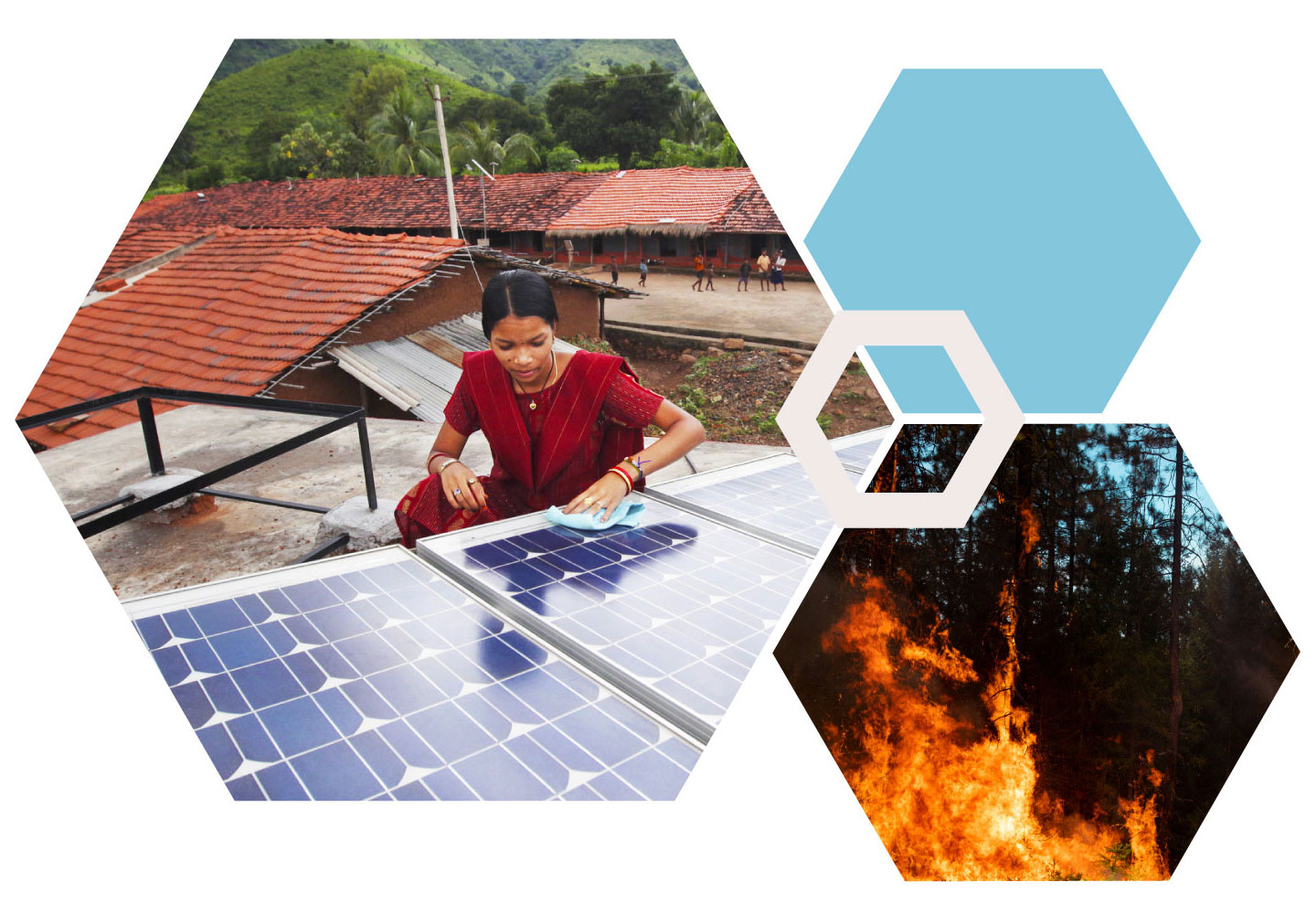
In a year defined by volatility, the biggest lesson from the field is that climate progress is far more fragile than we imagined, yet grassroots momentum, private investment, and state-level action offer glimmers of hope and resilience.
2025 revealed how quickly federal policy gains can stall or unravel when political winds shift. Hard-won advances in climate science, regulation, and infrastructure proved vulnerable without consistent national leadership. Watching these setbacks unfold underscored a sobering truth: progress cannot rest on goodwill alone. It must be reinforced by durable policy, strong institutions, and a broad base of support.
Yet the field also offered a countervailing source of optimism. As the federal government retreated, many states, cities, tribal nations, and private actors continued pushing forward. We learned that community-based climate solutions can lead to big impact, and that every dollar invested in local efforts can mitigate one metric ton of CO2 by 2030. Clean-energy investments persisted, efficiency projects expanded, and local governments advanced resilience planning—often with more urgency than before.
The juxtaposition of federal retrenchment and community determination illuminated a core lesson: the future of U.S. climate action will not be linear or uniform. It will be contested, adaptive, and built from multiple centers of leadership. The challenge now is ensuring that this distributed progress can scale quickly and equitably, reaching the communities most vulnerable to both climate impacts and policy instability.
Ultimately, 2025 taught us that climate gains must be actively defended, but also that innovation, resilience, and leadership can emerge from unexpected places when national support falters.
Refocusing on What Communities Need to Be Safe
Bria Gillum, Senior Program Officer, Criminal Justice
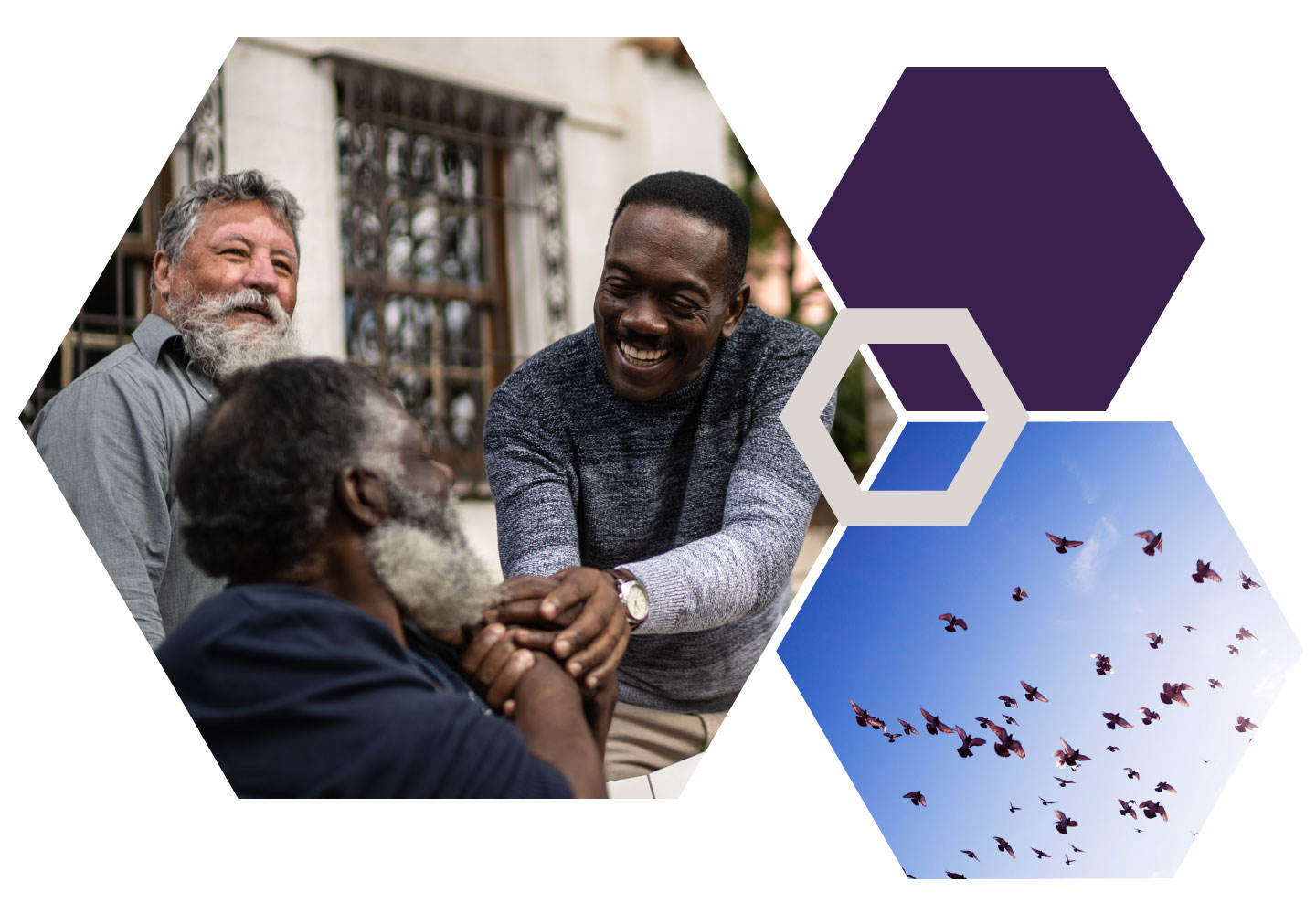
Recently, one of our grantees reminded me that we are in control of the society we are building together and have agency over the choices we make. We move these words into action as we continue to work for a fairer and more just criminal justice system.
There is no doubt this past year has been one of the most challenging for participants in the Safety and Justice Challenge and for all who work to build safe and healthy communities. But through these turbulent times, the criminal justice field’s commitment to public safety and creating a fairer criminal justice system is not ending: it is evolving.
With this evolution comes the opportunity to reimagine and refocus on what is needed and what is possible. Through the closures and consolidations of organizations working to improve the criminal justice system comes the emergence of new partnerships and alliances at the state and local level that are strengthening the field. Endings come with the seeds of new beginnings, and fear and uncertainty comes with faith that communities still know best what is needed to keep themselves and each other safe.
Our field is rallying together to not only support and address the immediate needs of our partners, but also to build long-term sustainability to propel the field forward. As we move into the new year, we will remain focused on supporting people and communities disproportionately affected by crime and violence. We are committed to bridging different perspectives on justice reform, and we will continue to invest in public safety solutions that are driven by data and lived experience.
Responding Collaboratively to Enable Solutions
Debra Schwartz, Managing Director, Impact Investments
In a time of disruption, uncertainty, and economic hardship, impact investing is more important than ever.
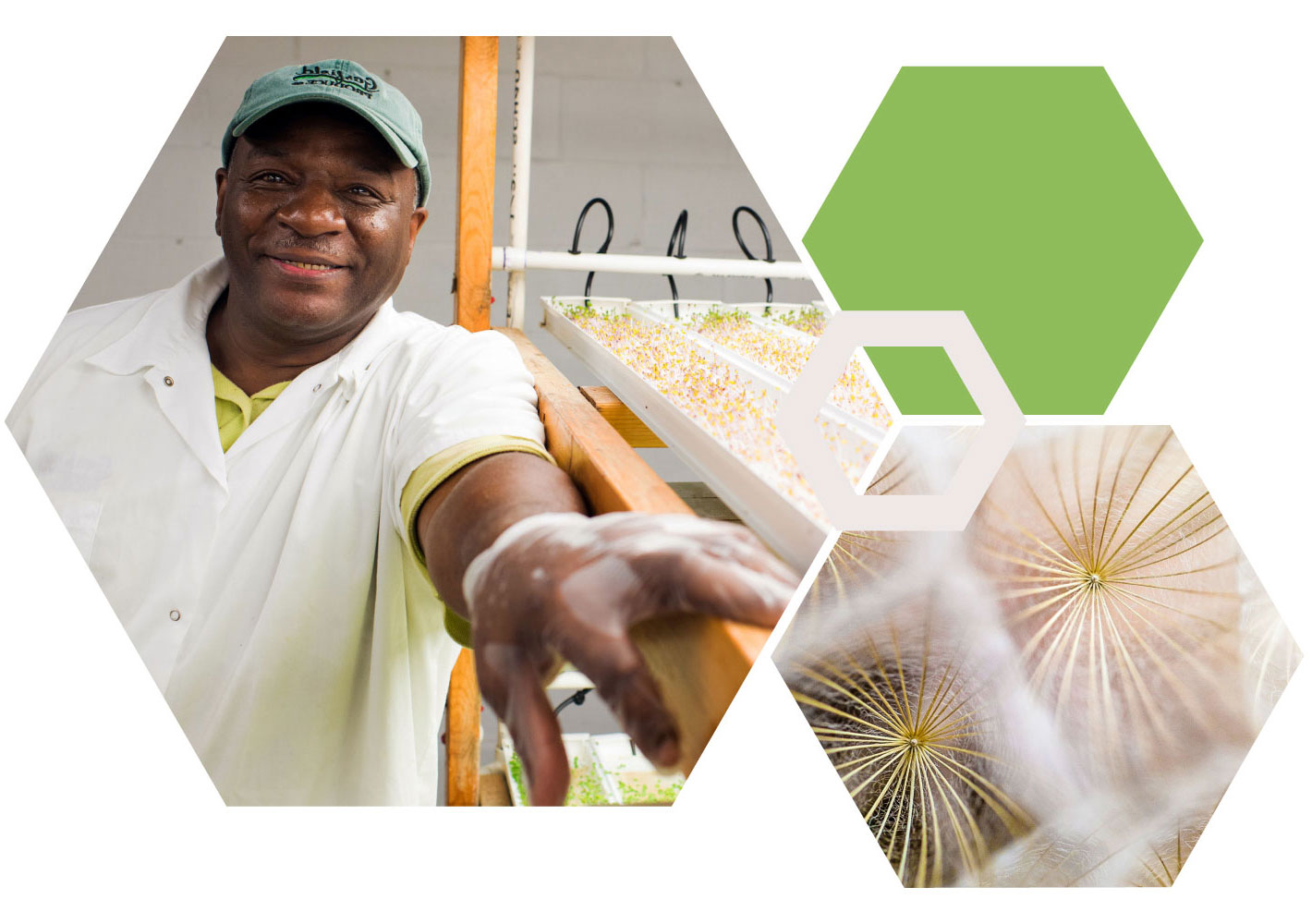
Impact investors have responded to meet challenges and new needs. Bridge and working capital loans have helped nonprofit and mission-driven organizations navigate loss of public funding, mergers, and other transitions. New funds, bringing together different kinds of impact investors, are enabling climate-friendly, investment-ready projects to proceed in communities across the country. Others, such as a bold initiative to finance clean, affordable energy access in sub-Saharan Africa, are investing with a global lens.
Impact investments also are empowering local action and innovative solutions through ambitious place-based initiatives, like the GroundBreak Coalition in Minneapolis and Invest Appalachia. While collaborative, community-centered approaches are not new to impact investing, they are timely and powerful efforts in today’s funding and policy environment.
Our team is fortified by the strength, creativity, and flexibility of the growing impact investing community. It is heartening to see many new families and foundations join this work at this critical time. Of course, government funding gaps can never be replaced by philanthropic or private capital alone. But our field’s experience over the past year reminds us that by acting collaboratively and strategically, impact investing can make contributions that matter—strengthening communities, helping individuals and families succeed, and safeguarding our planet.
Leading Boldly Amid Challenging Times
Kathy Im, Director, Journalism and Media
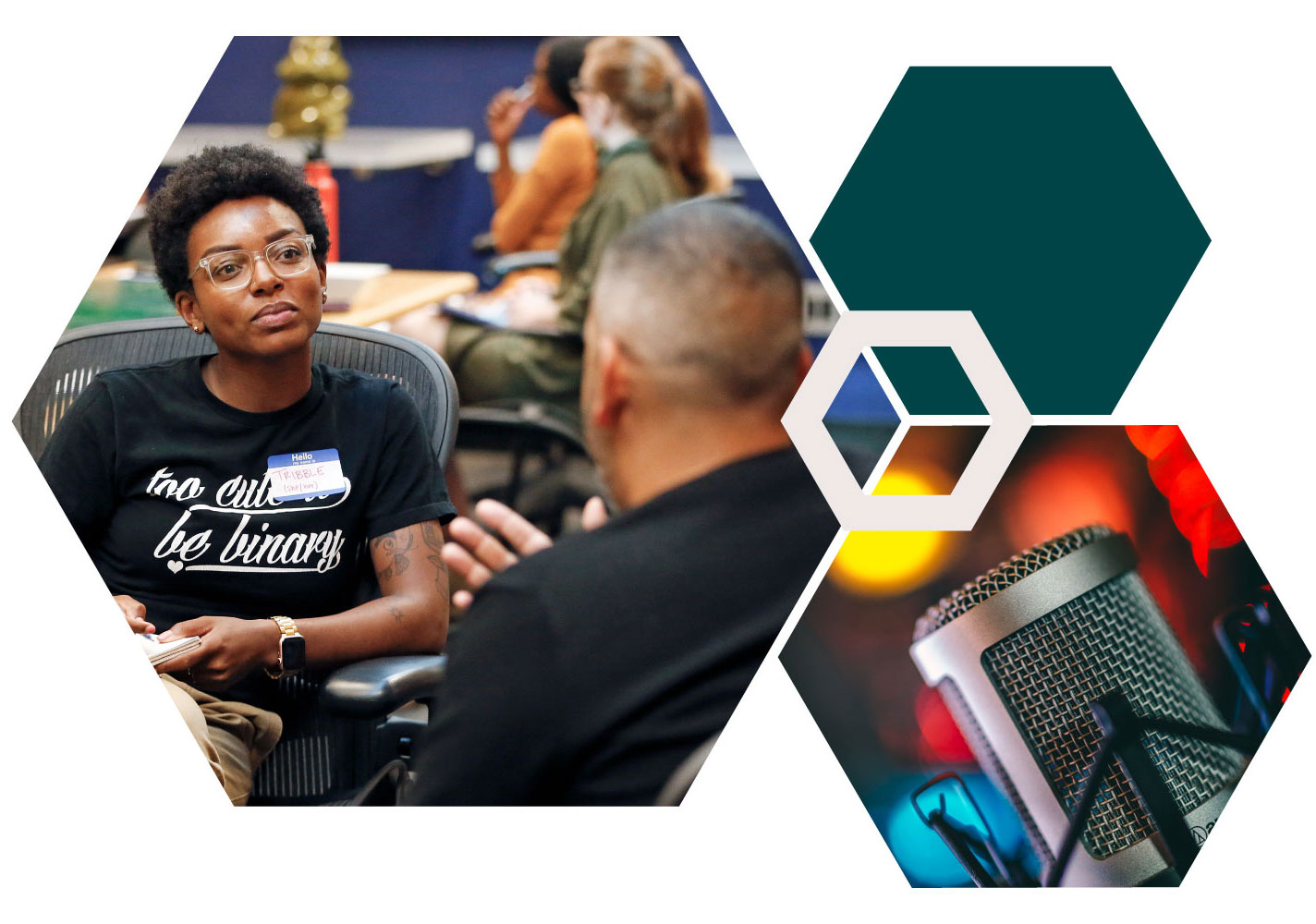
In the Journalism and Media (JAM) Program, we make grants to institutions, but as we assess which organizations to fund, we are ultimately investing in the leaders and people that make up an organization. Over the past year, as we witnessed how grantees were navigating the unprecedented political and financial challenges confronting them, the biggest lesson we learned was the importance of having creative, strategic, and principled leaders during difficult times.
For JAM grantees, many of whom work to speak truth to power and tell the authentic stories of all Americans, 2025 was a devastating year. From the freeze on USAID funding for independent media globally and the rescission of federal funding for public media to the dismantling of diversity, equity, and inclusion programs, all of our grantees felt the impact of a full-scale assault on the freedom of expression.
However, where we saw the best source for optimism was in leaders who tapped into their creativity and found new opportunities amid changing conditions. We watched leaders make difficult strategic decisions, such as ending time-honored programs or turning competitors into collaborators. The most inspiring leaders were principled and courageous, laser-focused on their core mission, and true champions of democracy. In several cases, leaders paid a deep personal cost for being the face of an organization, and in some cases, leaders made the painful, but responsible decision, to wind down their organizations. We especially hold these leaders close.
We too feel the weight of the hard decisions we must make, but we are guided and inspired by the incredible leaders in our portfolio, and grateful to do this work alongside them.

Reporting Courageously for Communities
Silvia Rivera, Director, Local News
This year feels personified by the cacophony of whistles heard in neighborhoods across the U.S., alerting residents to Immigration and Customs Enforcement (ICE) raids. What at first might have seemed like a sound of distress became the sound of resilience. This same strategy played out harmoniously in Chicago where local newsrooms stepped up, reporting courageously for the communities they serve.
Collaboration flourished among news outlets, like when Block Club Chicago, Cicero Independiente, the Investigative Project on Race and Equity, Invisible Institute, South Side Weekly, and The TRiiBE joined forces. Together, they produced a bilingual investigation revealing how federal agents deployed chemical weapons at least 49 times during Chicago ICE raids. When federal officials accused journalists of interfering with federal operations outside the Broadview ICE detention facility, these partnerships became lifelines, offering legal defense, safety guidance, and moral support.
Other examples include how Press Forward Chicago galvanized funding for immigration reporting and partnered with the International Women’s Media Foundation to host a virtual safety session, covering risk assessments, de-escalation tactics, and providing legal hotlines.
These support systems matter even more as legal protections prove fragile.
The field must continue to support robust collaborative infrastructure and partnerships to help journalists and communities not only survive but document the truth and demand accountability. Sustaining this work requires more than emergency response—it demands reimagined support systems built for the long haul.
Finding Wonder in an Interconnected World
Marlies Carruth, Director, MacArthur Fellows
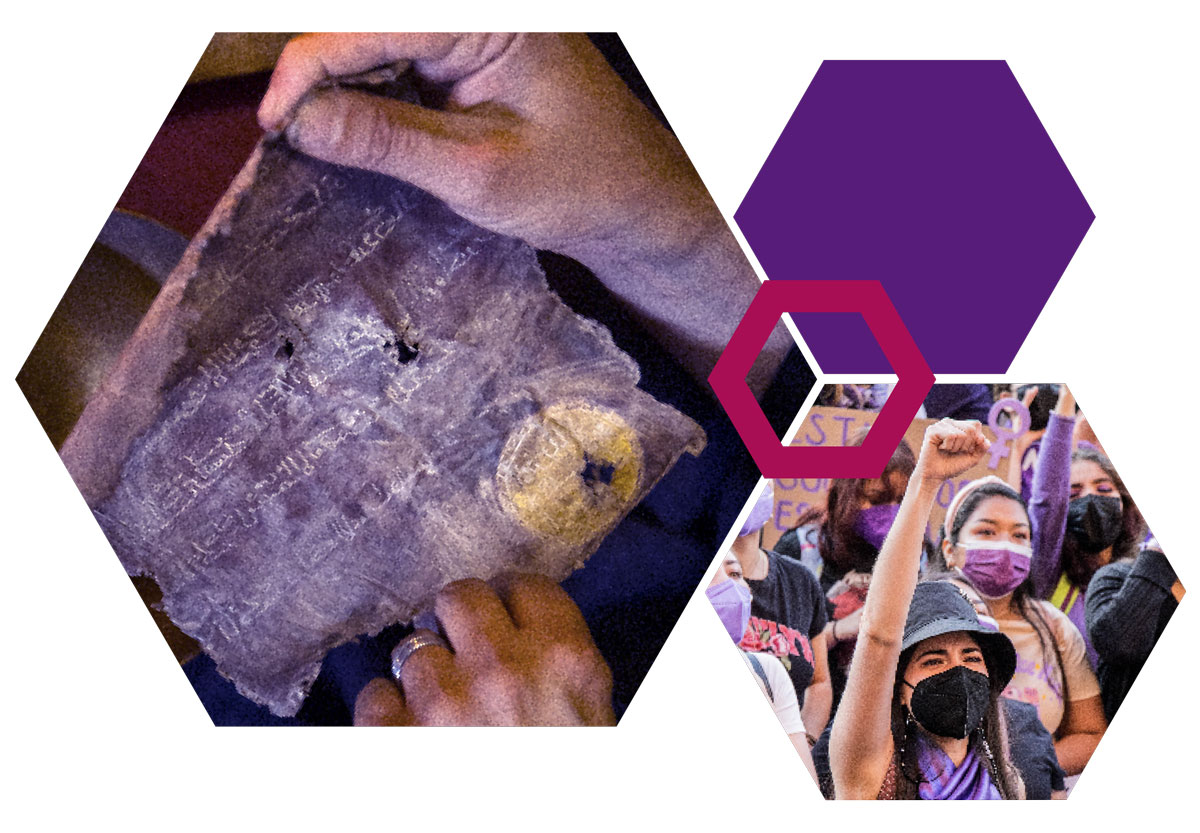
As we struggle to find balance to both connect and thrive in a time of uncertainty, unprecedented technological change, and possibly irreversible shifts in societal norms, several members of the MacArthur Fellows class of 2025 reveal what remains magical about the world we share.
Whether in the keyboard virtuosity of composer and musician Craig Taborn, or the discovery of interdependent exchange of microbial and plant communities below the Earth’s surface by evolutionary biologist Toby Kiers, or the brilliant understanding of star systems in galaxies near and far by astrophysicist Kareem El Badry—our shared world is rich with gifts of knowledge, joy, and surprise.
I also reflect with humility and awe on the work of disability justice activist and 2024 MacArthur Fellow Alice Wong. Her commitment to cultivating a vibrant community was wondrous. Alice passed away in November after living with a rare degenerative illness for most of her life. The power of her advocacy and storytelling for all human rights is both singular and enduring.
These examples of exceptionally creative MacArthur Fellows, who, with other talented individuals, focus their interests and passions on new frontiers, present us with serendipity and discovery on the planet we share and in the universe beyond.
Their curiosity and optimism are contagious and motivate us to persevere.
The enchantment of inquiry, experimentation, and new knowledge in our interconnected world is limitless, restorative, and inspiring.
A Shared Language on AI Governance
Eric Sears, Director, Technology in the Public Interest
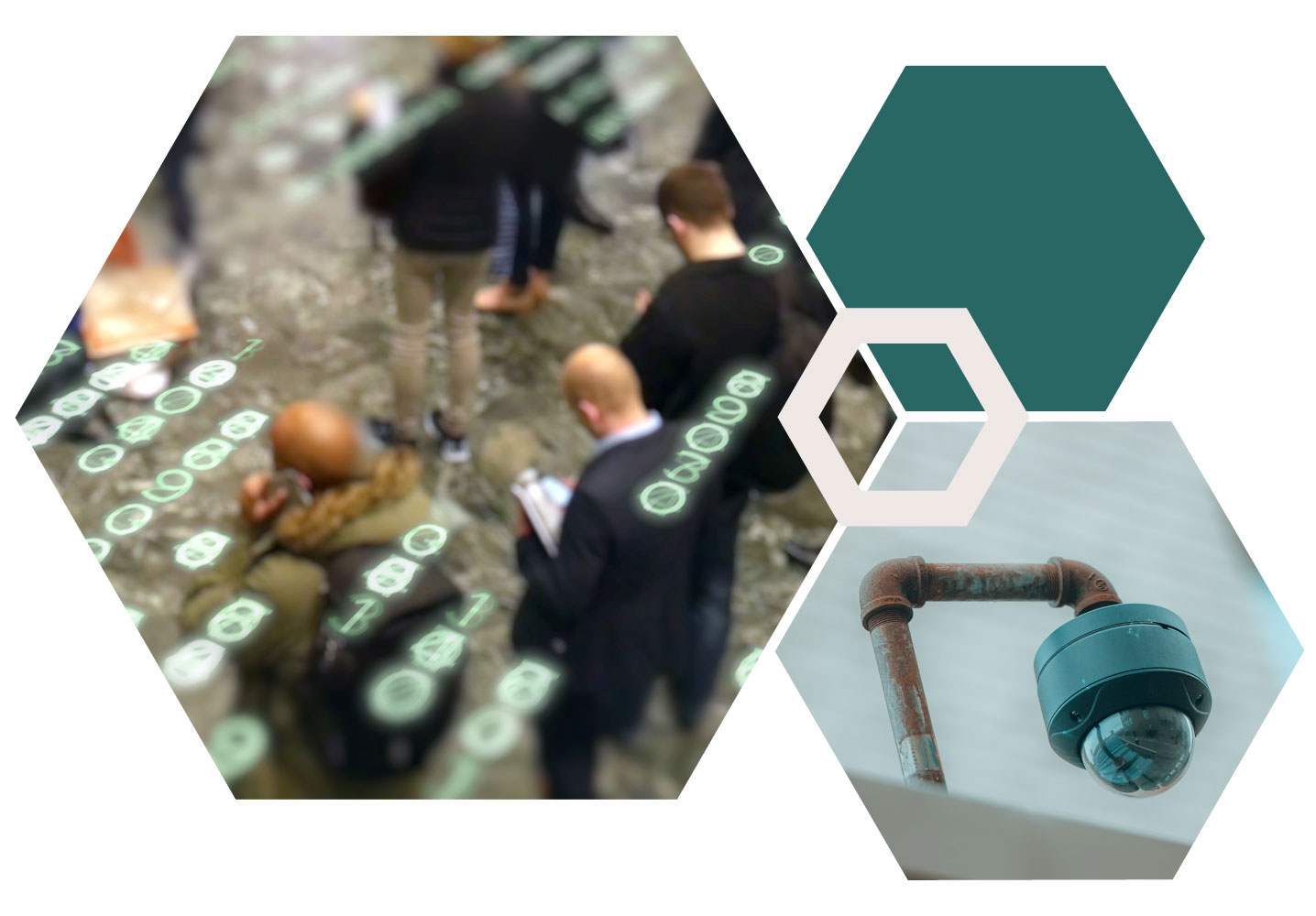
In 2025, we engaged with experts working in national security, human rights, cybersecurity, healthcare, and finance, as well as with leaders and scholars from different faith traditions. Each of our discussions focused in part on how to govern artificial intelligence (AI). There are important distinctions between these groups’ concerns, but their shared areas of interests were greater than imagined.
Another key insight also emerged: language and lexicons can be a barrier to unlocking broader collaboration. When bringing people together with disparate incentives and belief systems, trust can be hard to gain. However, it is essential that we find common ground, even if that means adapting our ways of working and the language we use when speaking to each other. For example, building secure AI systems people can trust and advancing safety assurance mechanisms are two recurring themes across the groups, even if they are conceptualized differently.
Adapting and evolving our language can also allow us to build new alliances and unlikely coalitions at a time when it has perhaps never been more important. It allows us to create partnerships, without compromising our core values.
A handful of powerful companies aim to control our future with AI. They want us to believe their version of the future is unstoppable. Yet around the world, everyday people and experts across fields are questioning that future. They understand the need to ensure that AI is subject to meaningful regulation and public oversight.
In a time of growing global divisions and polarization, people working to advance AI in the public interest should find new ways to help bridge differences through the language we use to discuss AI governance.