







NeAngela Dixon, Senior Cross-Foundation Program Officer, writes that the Safety and Justice Challenge brought communities together to share ideas and solve problems, leading to more effective and collaborative criminal justice reforms.
The Safety and Justice Challenge (SJC) was created to reimagine and rebuild local criminal justice systems by applying a networked approach. By bringing people from across the country together and creating a space for them to share ideas, build community, and use each other as resources, we believed that participating communities could make tangible progress.
The SJC brought people together in many different ways, and over time, it created a web of meaningful relationships between hundreds of people working in local criminal justice systems nationwide. The initiative, which is coming to a close at the end of 2026, demonstrates what is possible when people across the political spectrum, geographic areas, and different areas of the field come together with one common goal: to improve local criminal justice systems.
The result is a more collaborative and holistic approach to reform...
The result is a more collaborative and holistic approach to reform—one that follows the data, acknowledges the expertise of leaders from every relevant government agency, and respects the perspectives of people directly impacted by the justice system.
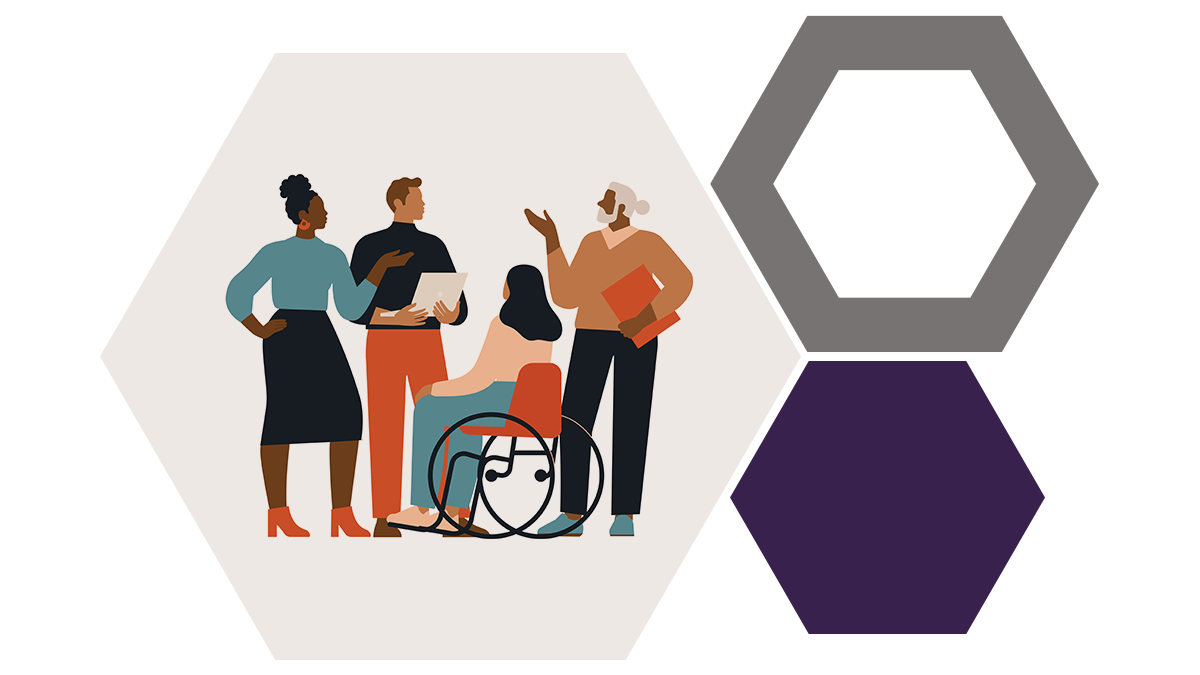
When Communities Learn from One Another
The SJC created nearly a dozen learning networks to promote peer-to-peer interaction. These small cohorts of SJC communities were formed around a common element of their work: their geographic region or a specific challenge or opportunity they were facing.
The IMPACT Network is a powerful example of the cohorts’ success. Facilitated by Policy Research Associates, it brought participants together on how mental and behavioral health affects various decision points in local criminal justice systems. By better addressing mental and behavioral health, participating communities hoped to positively affect issues like homelessness and retail theft. Through the cohort, communities have collectively increased mental health services within jail systems and pursued alternatives to traditional police responses to mental health crises, like 9-8-8 crisis lines and police department social workers who respond to mental health-related 9-1-1 calls.
Several communities in the cohort also have successfully developed new programs to match people with the services they need at the point of first interaction with the criminal justice system. Philadelphia’s Police Assisted Diversion program and the Lake County Sheriff’s Office’s COaST program are two examples. Both connect people with services for substance abuse or concurrent mental and behavioral health conditions upon their initial interaction with the criminal justice system, which reduces strain on the rest of the local criminal justice system while allowing people to get the help they need to break cycles of incarceration.
The SJC’s Case Processing and Probation networks further highlight the need for highly collaborative reform solutions. How cases make their way through the courts is often overlooked, but delays have a direct impact on how people experience the system. Waiting an extra three months for a hearing, for instance, can hurt the individual charged with a crime, the victims of the crime, and their families. Accordingly, the Case Processing Network, facilitated by Justice Management Institute, focused on peer learning that helps courts implement practices that are both effective and more efficient.
People from nearby communities often became interested in joining these peer-learning communities as they observed the progress others were making.
Similarly, the SJC’s Probation Network, led by the Urban Institute, has helped participants consider practices that reduce caseloads, increase staff well-being, and move from practices that are purely punitive towards practices that balance accountability and supports that reduce recidivism.
To further collaboration, we often brought these cohorts together because if one part of the system is adjusted, other parts are affected.
While any individual in a participating SJC community could join a cohort, we found that people from nearby communities often became interested in joining these peer-learning communities as they observed the progress others were making. This illustrates the deep desire for collaboration across the criminal justice field.

Finding Common Ground Through Coordinating Councils
Criminal Justice Coordinating Councils are another example of how SJC has helped bring people together, even when they may not agree. These groups, which MacArthur’s SJC grants have helped support, and in some instances establish, hold meetings regularly to look at data from their local criminal justice system, identify problems, and then as a group, discuss solutions, ensuring that relevant stakeholders—regardless of their political affiliation or ideology—are at the table.
The SJC’s network model proves that bringing people together can positively impact the entire justice ecosystem.
The success of these groups is, in part, because they include individual community members, in addition to leaders from government agencies. These individuals, who may be organizers, long-standing elders, or influential faith or nonprofit leaders, are critical to developing effective reforms as their perspective reflects the community’s priorities and experiences.
A Lasting Legacy of Collaboration
The SJC’s network model proves that bringing people together can positively impact the entire justice ecosystem—creating better work environments, efficient practices, more positive experiences for individuals navigating the system, and most importantly, helping to make our communities safer. We hope that these collaborative, holistic approaches continue and that the relationships built through SJC lay a valuable foundation for the work yet to be accomplished.
We are working with an evaluation and learning partner on a full assessment of our Criminal Justice program’s Safety and Justice Challenge. We plan to share the findings in early 2027.