





Sandra Aponte and Jonathan VanderBrug, Program Officers, Chicago Commitment, write about challenges for creative workers and how MacArthur is investing in arts and culture careers.
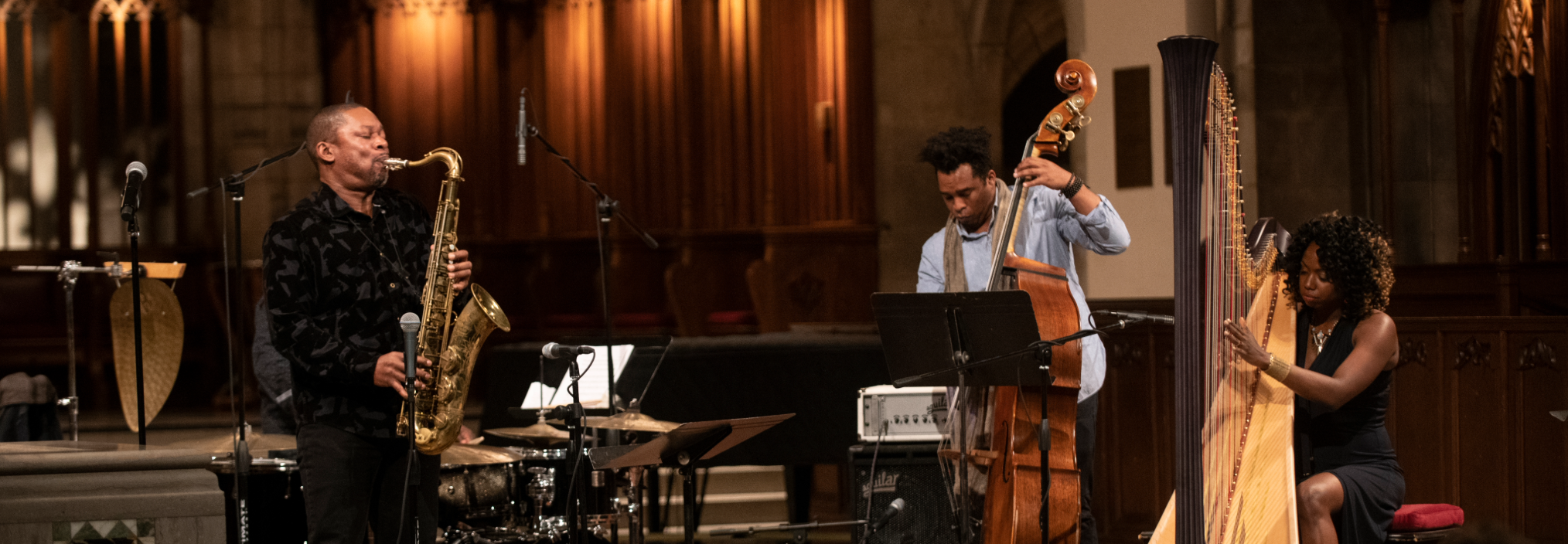
Every day, creative workers contribute to the vitality of Chicago. On a summer’s day, the sounds of live jazz draw visitors to a Jazz Institute of Chicago concert in their local park, or a Back Alley Jazz event by the Hyde Park Jazz Festival. Throughout the Pilsen neighborhood, vivid murals painted by local artists celebrate the community's vibrant culture and history. On the South and West Sides, a teaching artist with Firebird Community Arts introduces glassblowing and ceramics to Chicago Public Schools students, excited to shape the molten glass and fire their clay creations in a kiln.
Creative workers are essential to the social, civic, and economic health of Chicago, yet too often they are forced to grapple with difficult working conditions. SMU DataArts recently conducted comprehensive research on the working conditions of creative workers in Chicago. The 2026 study found overall that careers in the creative sector are marked by disparities and are more precarious than other careers.
In comparison to workers with similar backgrounds, Chicago’s creative workers:
- Earn approximately $18,200 less in annual personal income;
- Are three times more likely to be self-employed, but their self-employment earnings amount to just 70 percent of those of self-employed workers overall;
- Face higher unemployment rates and often must work multiple side jobs; and
- Have less access to employer-provided benefits, such as health insurance and paid time off.
These discrepancies are particularly present for people of color, women, foreign-born creatives, and creatives with disabilities, who typically earn less than their counterparts, reflecting similar disparity patterns in the workforce as a whole.
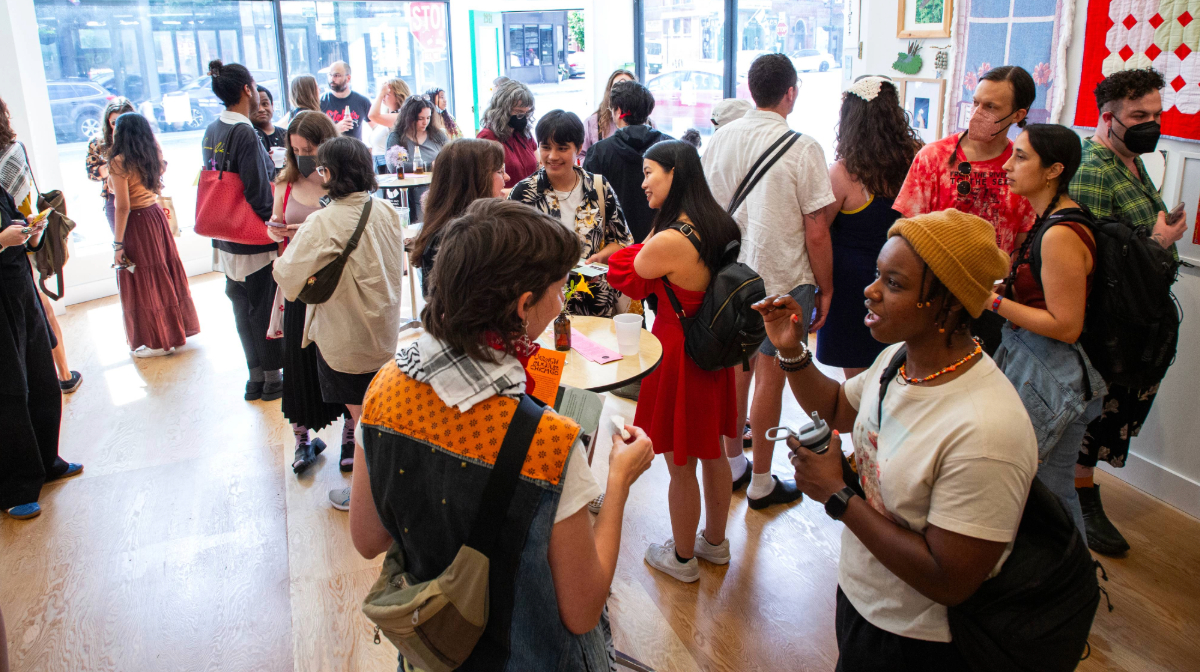
Participants mingle during a mutual aid funder for families in Gaza hosted by ACRE and the Jewish Museum. Credit: Brittany Sowackle
In March 2026, SMU DataArts, NORC at the University of Chicago, and other researchers presented their initial findings at the Illinois Creative Workforce Partnership Summit, which convened professionals from across the sector to share insights and examine trends. Experts and practitioners also highlighted the tremendous economic, civic, and social benefits of the creative workforce.
Flexible funding… is key to stability, sustainability, and innovation.
The findings in the SMU DataArts study reinforced what we already heard from organizations in MacArthur’s Culture, Equity, and the Arts (CEA) program. Our grantees emphasized these realities at convenings we organized in 2021 and 2022, during the COVID-19 pandemic, which further intensified the need to reshape the arts sector in a more equitable way. Arts organizations called on the Foundation to develop an initiative focused on the needs of Chicago’s creative workers, especially part-time and independently contracted artists.
Investing in Careers in Arts and Culture
With guidance from our grantee partners, our Chicago Commitment team launched a three-year, special initiative in 2023 to provide over $1 million in grants to strengthen Chicago’s creative workforce.
Sector Support: 2023-Present

3Arts
$700,000
Financial assistance and professional development for individual creative workers.
Arts Alliance Illinois Advocacy
$150,000
For policies that improve working conditions in the creative sector.
ACRE and SMU DataArts
$150,000 to each
Research on challenges and opportunities in the creative workforce.
Arts Alliance Illinois
$12,000
For the Illinois Creative Workforce Partnership Summit to discuss and strategize how to elevate Illinois’ creative workforce.