





 Location
 Age
Age Area of Focus
 Website(s)
 Social
About Kaiyu's Work
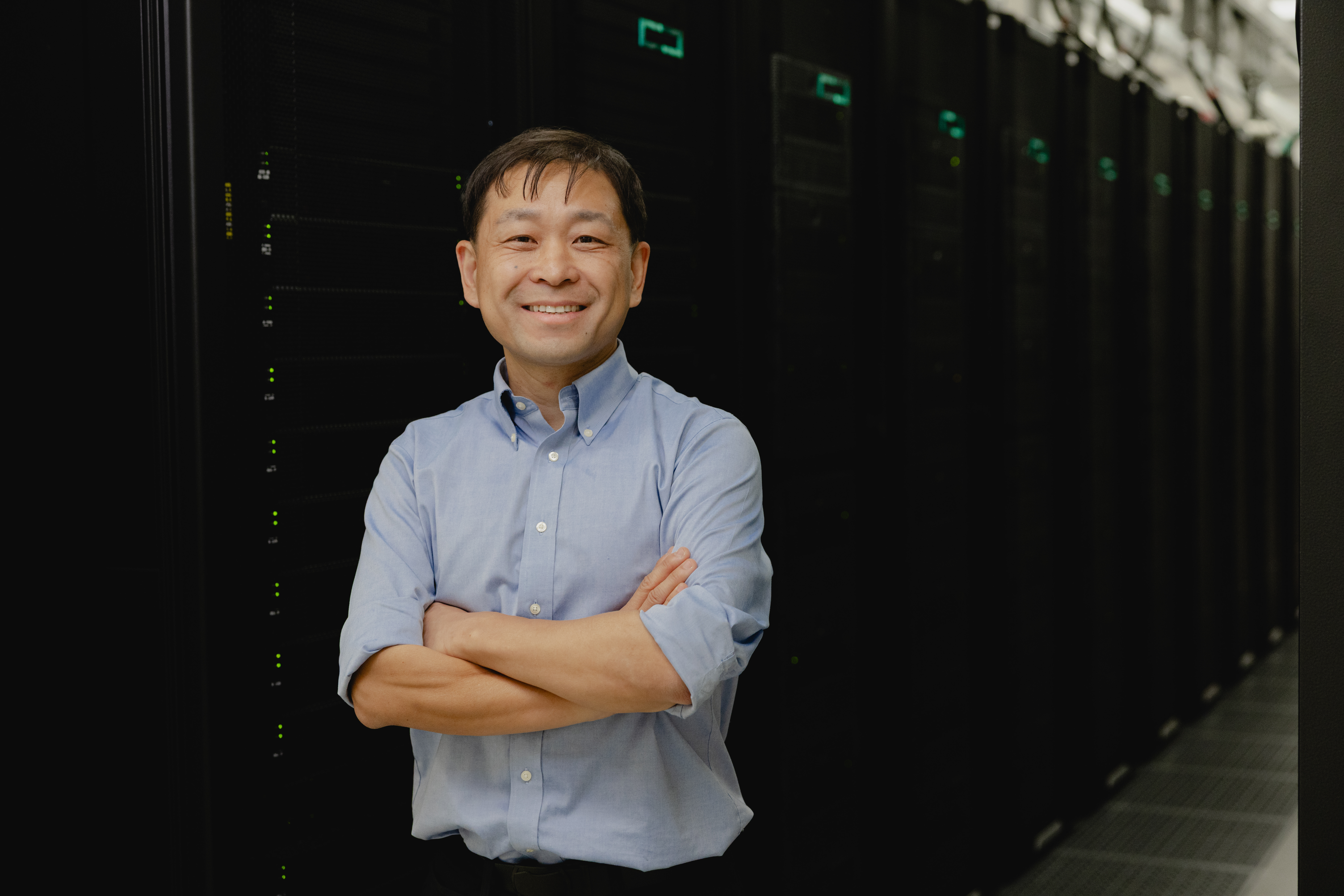
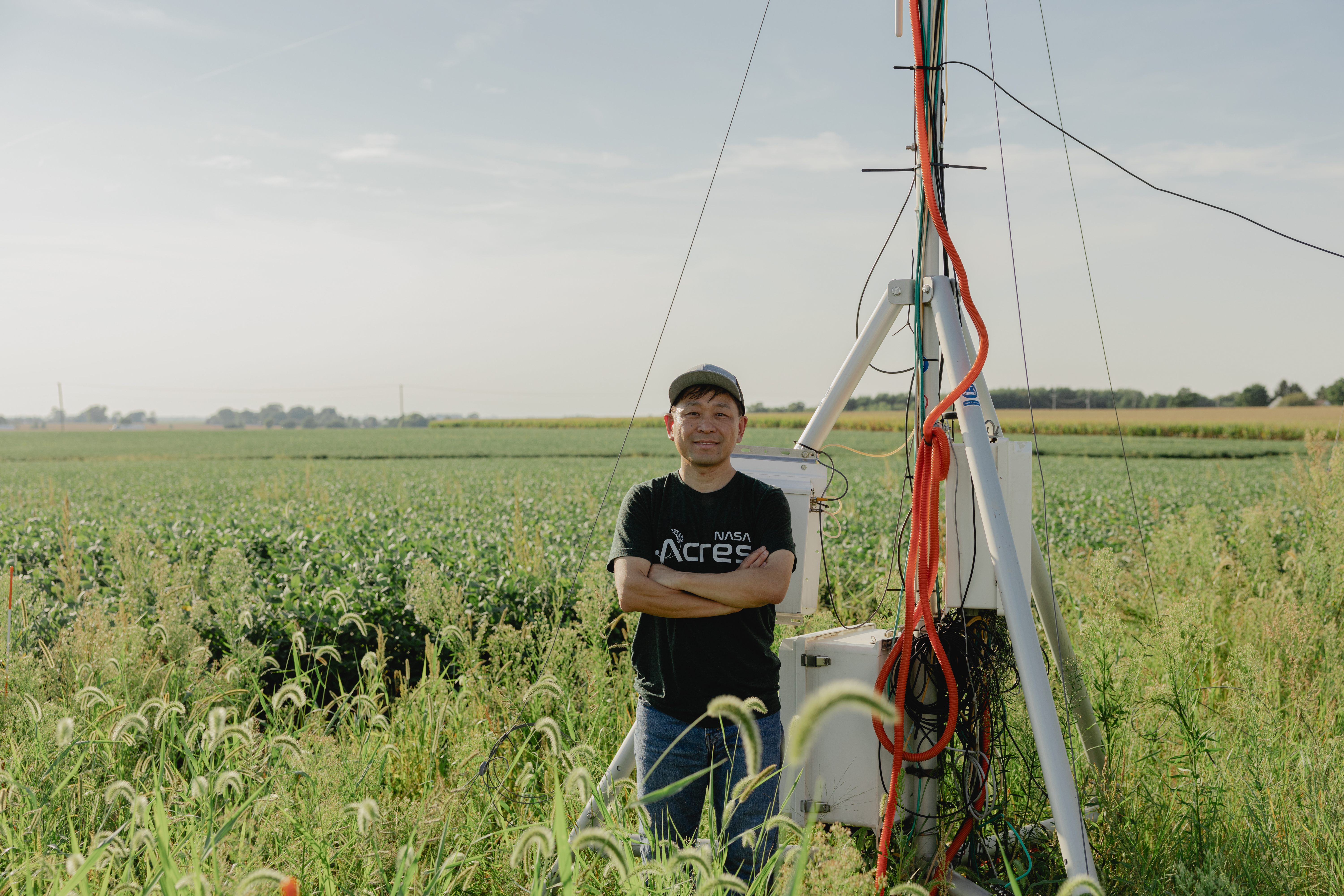
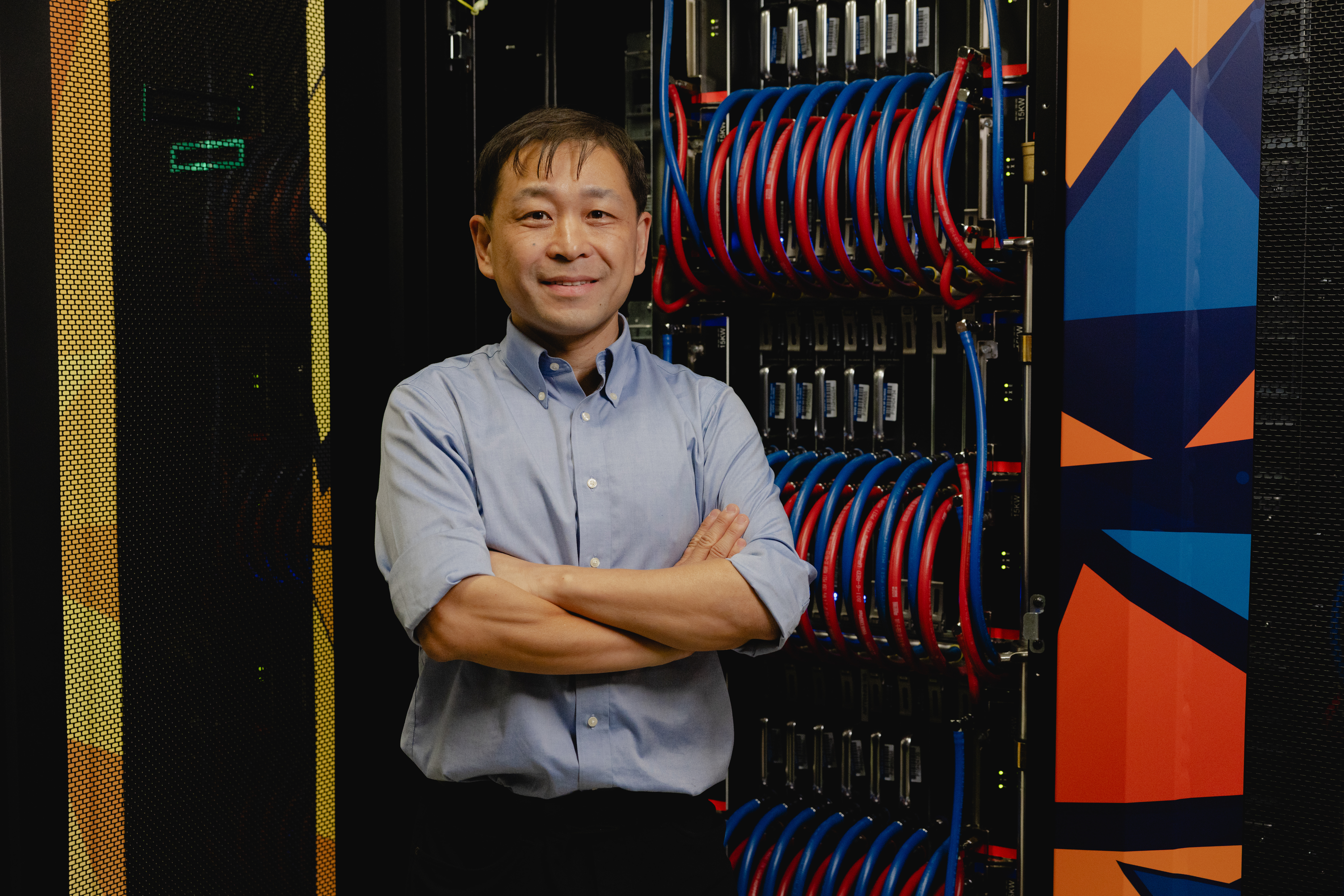
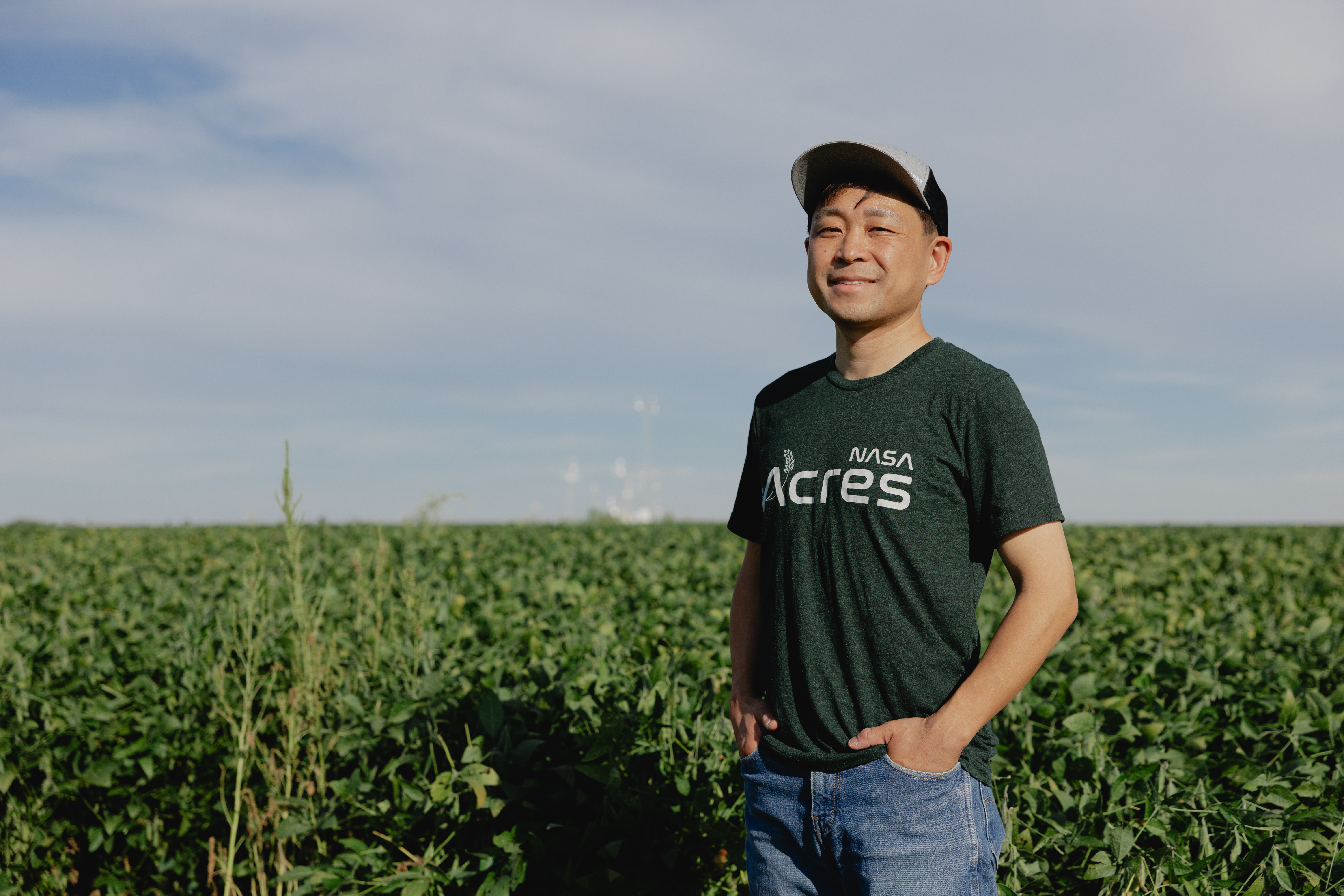
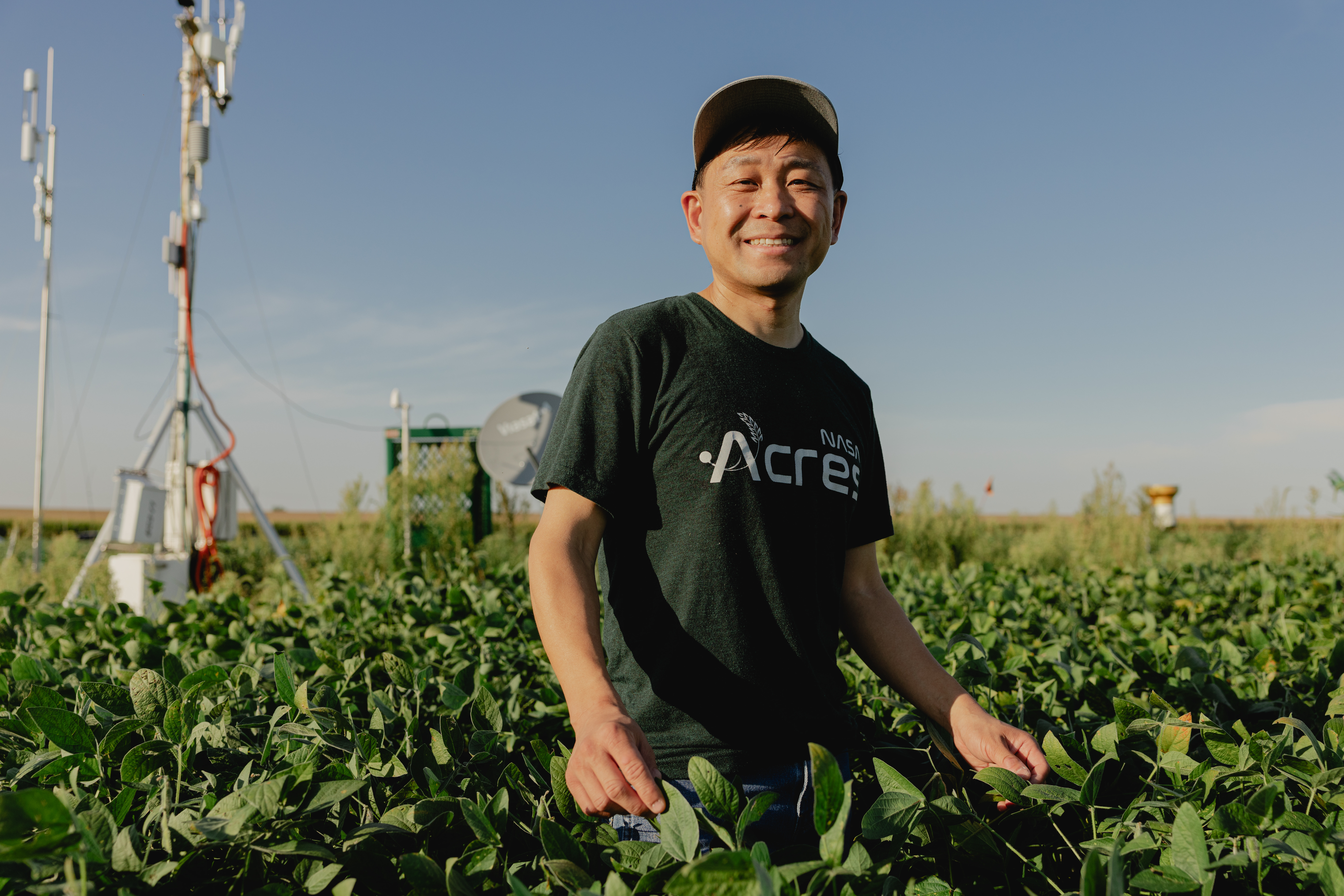
Kaiyu Guan is an environmental scientist combining Earth observations, process models, and machine learning to understand and predict how crops, the environment, and human agricultural practices interact across agricultural landscapes. Guan’s integrative approach links what can be observed (such as crop conditions, climate, water, and nutrient resources) with the underlying biological and physical processes that govern how these variables influence one another in agricultural ecosystems. This holistic view of the factors at work in agricultural ecosystems, augmented by machine learning, enables farmers and policymakers to monitor, predict, and optimize crop yields, environmental benefits, and resource use.
Fine-grained and timely data about crop fields are critical to farmers’ efforts to improve growth and sustainability. In early work, Guan developed a fully automated data fusion method, STAIR, that uses multiple sources of satellite remote sensing data to generate daily, detailed, and seamless (that is, without gaps caused by cloud cover or otherwise missing data) land surface images and spectral data down to the subfield level. Guan also advanced cross-scale sensing approaches that link field, airborne, and satellite observations to map—from the scale of individual fields to large regions—agricultural resources and processes, such as crops’ nitrogen levels and photosynthetic activity. Guan has created several platforms that combine observations with models of agricultural processes, giving farmers a better understanding of how crops respond to specific environmental conditions and management practices. More recently, Guan and his colleagues devised a knowledge-guided machine learning (KGML) framework for more precise measurement of greenhouse gas emissions and soil carbon storage on agricultural land. KGML uses knowledge from process models (such as, in this case, biogeochemical models of carbon dynamics) in addition to data to guide algorithm development. Their KGML approach generates field-level predictions of carbon fluxes, crop yields, and soil carbon stocks with greater accuracy and detail than other methods.
Guan has expanded on this work, creating a system-of-systems framework for predictive agricultural science comprised of the KGML and other AI capabilities, observational data, and process models related to environmental variables, management practices, and crop conditions. With the ability to estimate conditions that cannot be directly observed, forecast outcomes, and test responses to changing weather or management, farmers and policymakers can make more informed decisions for boosting crop yields and reducing environmental impacts. As the pressures from climate change and a growing global population increase, Guan is providing the technical and scientific foundations for a more environmentally sustainable and productive future for agriculture.