





 Location
 Age
Age Area of Focus
 Website(s)
 Social
 X,
X,About Holly's Work
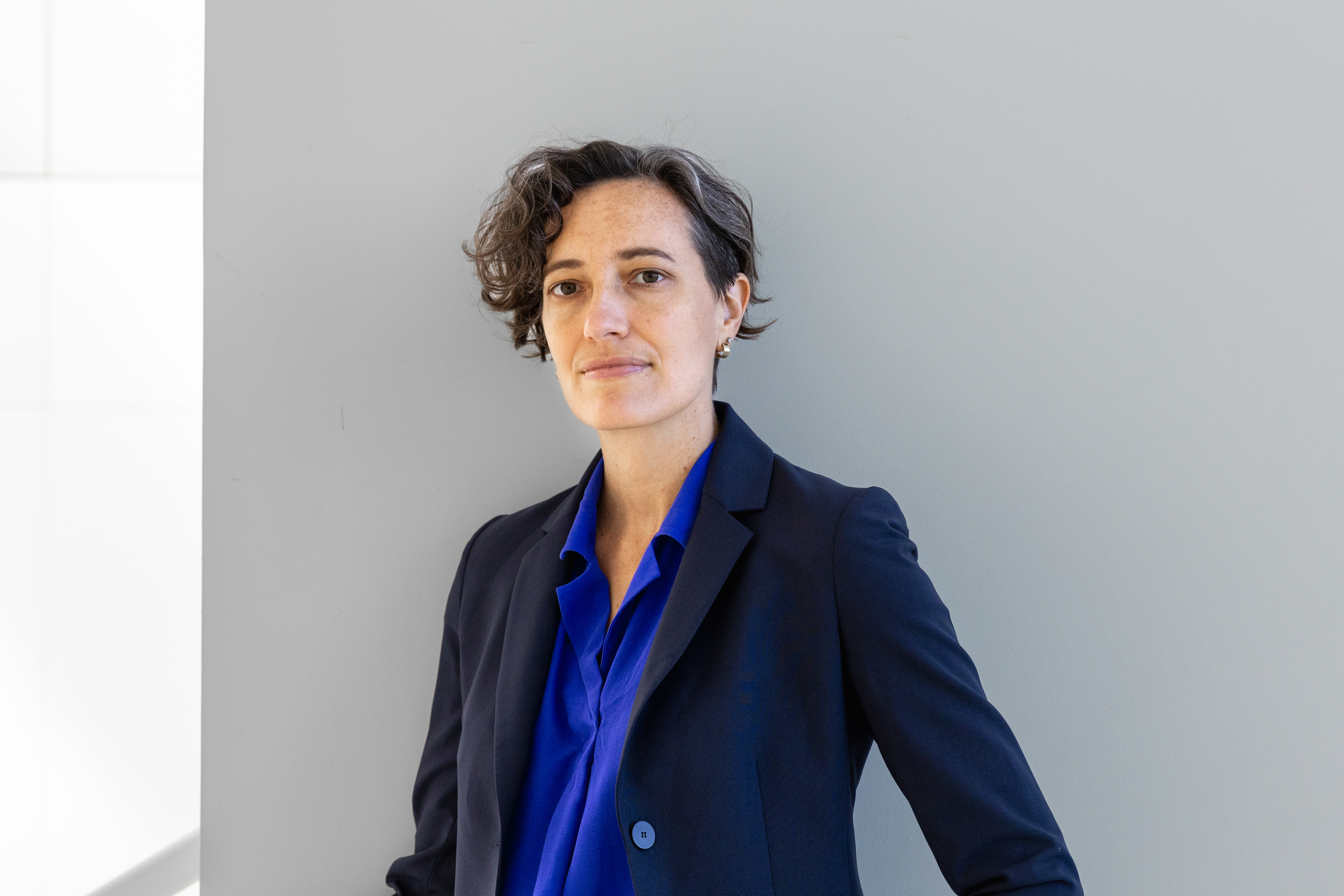
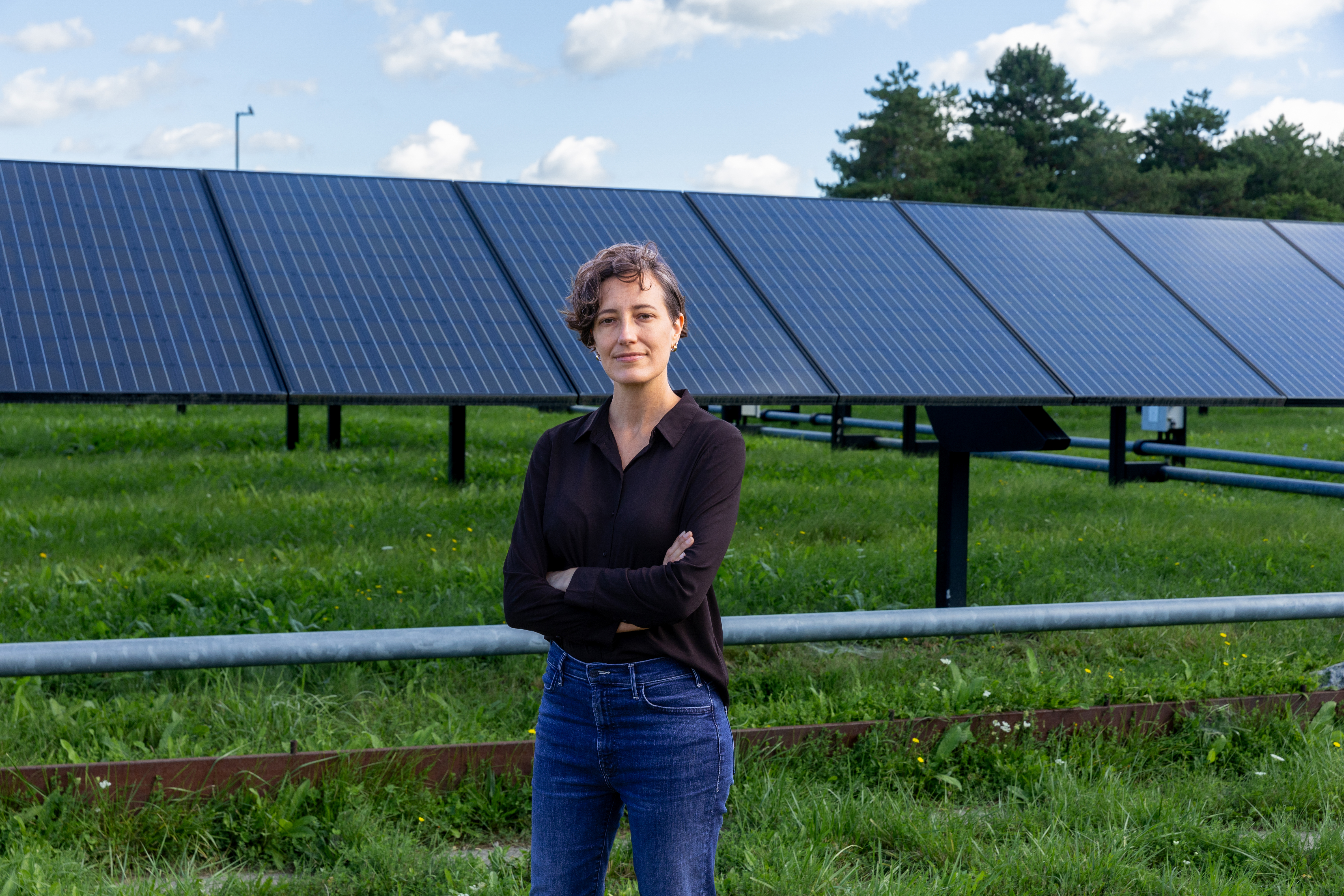
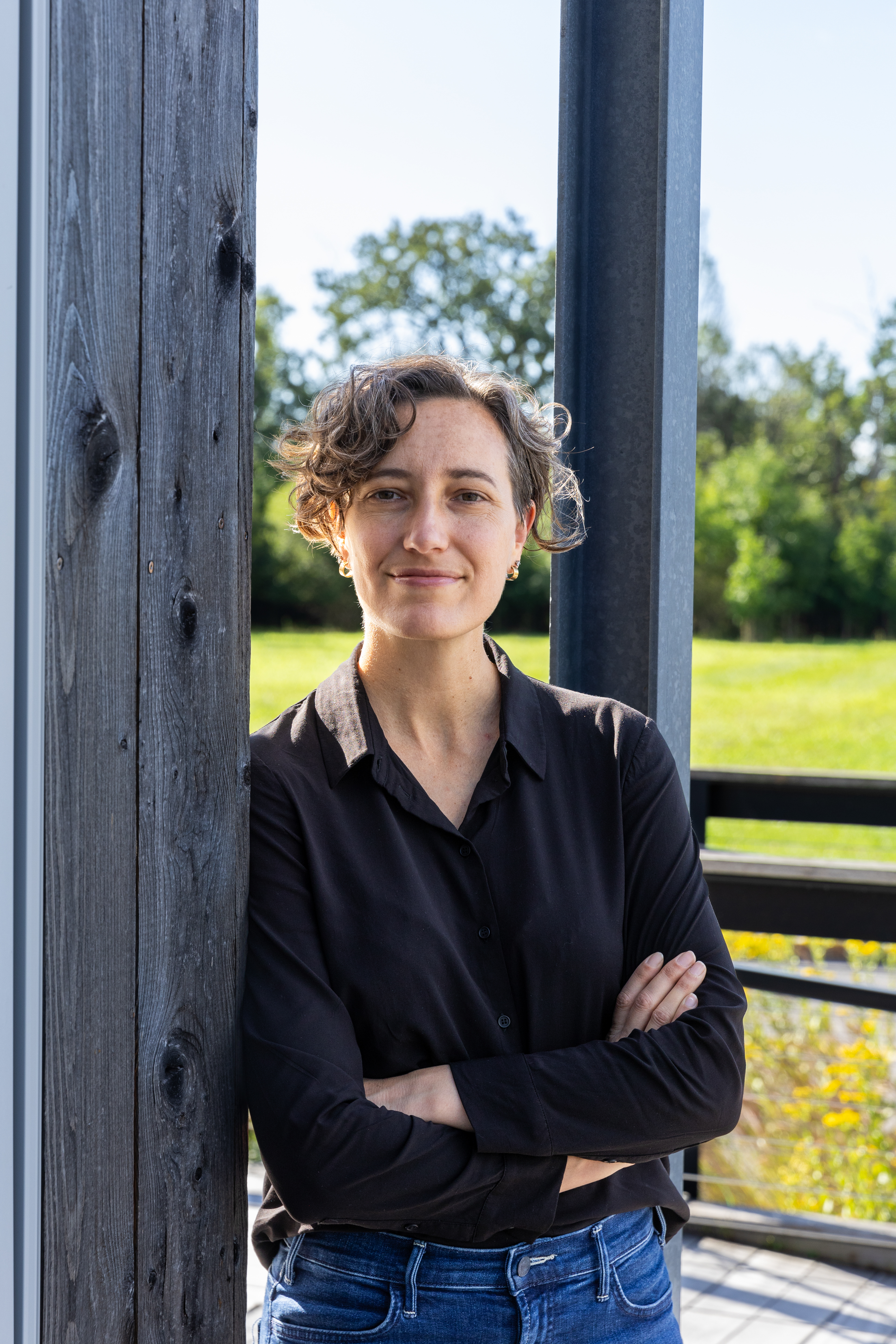
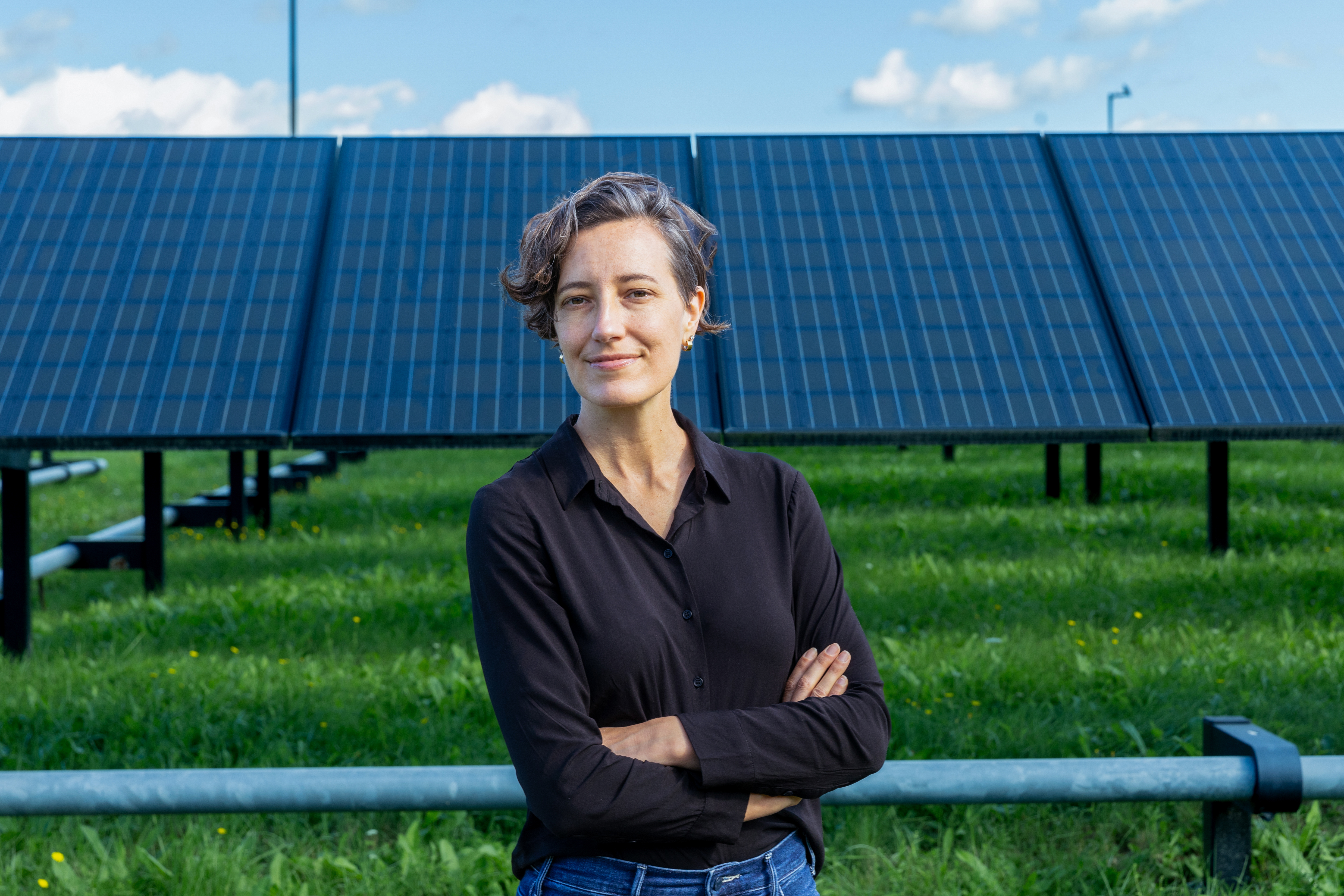
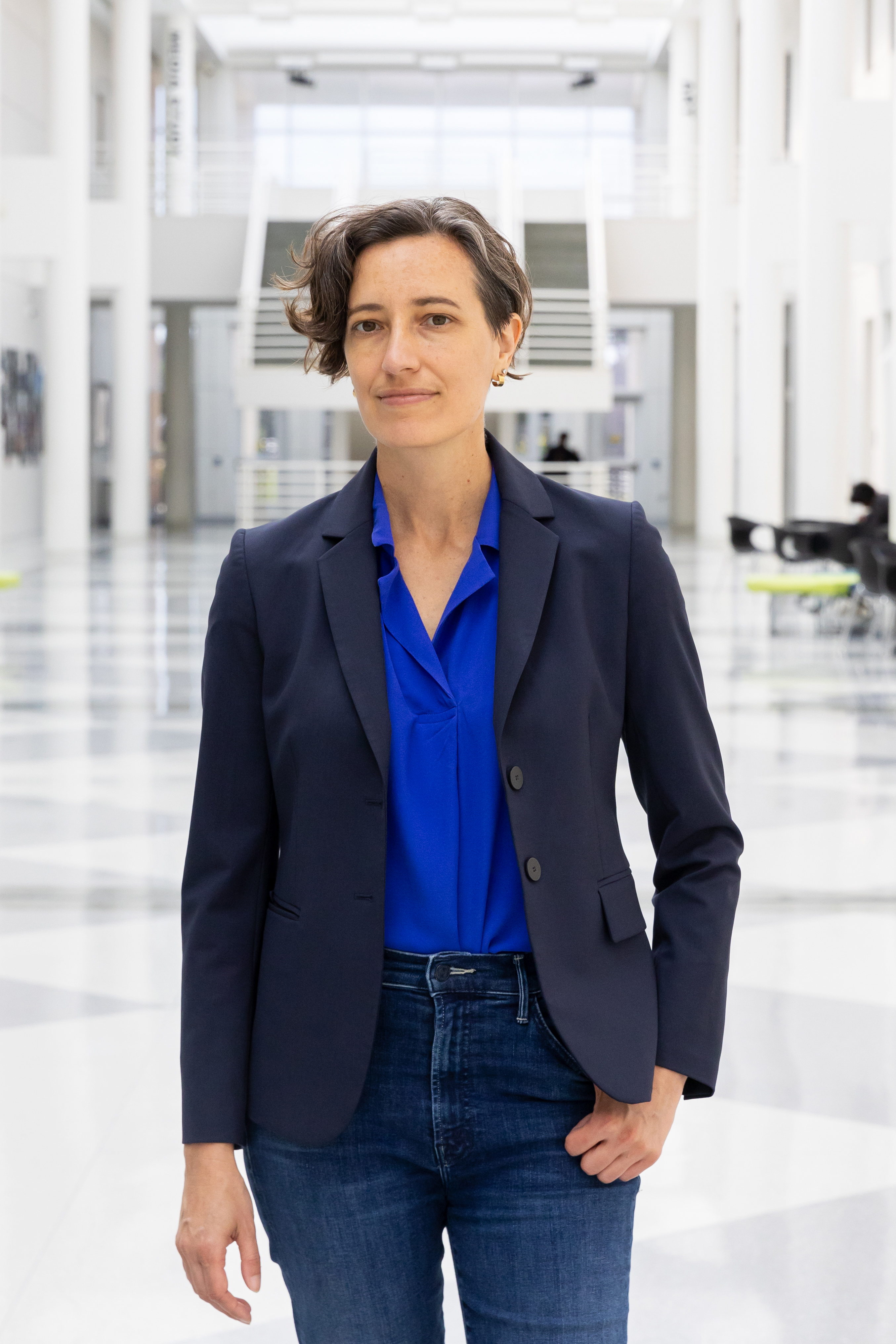
Holly Jean Buck is a sociologist investigating the social, ethical, and political dimensions of emerging climate and energy policies. She envisions governance structures for a wide range of climate responses, from rural place-based efforts in natural resource management and clean energy to global-scale climate interventions, like solar radiation modification and carbon removal. Buck cuts through heated rhetoric to focus on communities and just and equitable implementation of solutions to our planetary climate crisis.
In After Geoengineering: Climate Tragedy, Repair, and Restoration (2019), Buck combines empirical research and speculative fiction to explore possible pathways to using and managing geoengineering technologies. She argues that within democratic frameworks attuned to long-term impacts on the public interest, technologies like carbon removal could be designed to benefit both global climate and local communities. She encourages climate activists and policymakers to imagine and shape new governance structures, rather than rejecting consideration of all climate interventions. Buck expands on just and effective management of decarbonization in Ending Fossil Fuels: Why Net Zero Is Not Enough (2021). Here, she contends that building out clean energy infrastructure is critical but not sufficient for reaching international climate goals; clean energy must be coupled with equitable processes for winding down fossil fuel use. Buck details the cultural, geopolitical, and built environment changes necessary to meaningfully phase out fossil fuels. She proposes developing democratic planning mechanisms to determine timelines for decarbonization, transitioning the fossil fuel industry infrastructure and personnel to work on carbon removal, and building social buy-in to shift energy sources. Additionally, she makes a powerful case for treating climate technologies such as carbon removal as public utilities, managed by governments or regulatory bodies.
In more recent work, Buck elevates voices and ideas that might otherwise go unheard but are essential to mitigating climate change at scale. Her research on different communities’ perceptions of climate policies provides valuable insights into barriers to and opportunities for building social support for climate action. She is also studying the social dimensions of emerging technologies more broadly, including current conversations about how and by whom future technologies should be developed. Her investigation into reindustrialization in rural communities that are taking an active role in shaping future technologies—from semiconductors to batteries to use of artificial intelligence in agriculture—will offer insights into how innovation can work in tandem with local needs and resources. Buck is setting forth a compelling vision for what is needed to launch a successful energy and climate transition and to support rural innovation, while remaining attentive to social realities and justice.