





 Location
 Age
Age Area of Focus
 Website(s)
 Social
About Felipe's Work
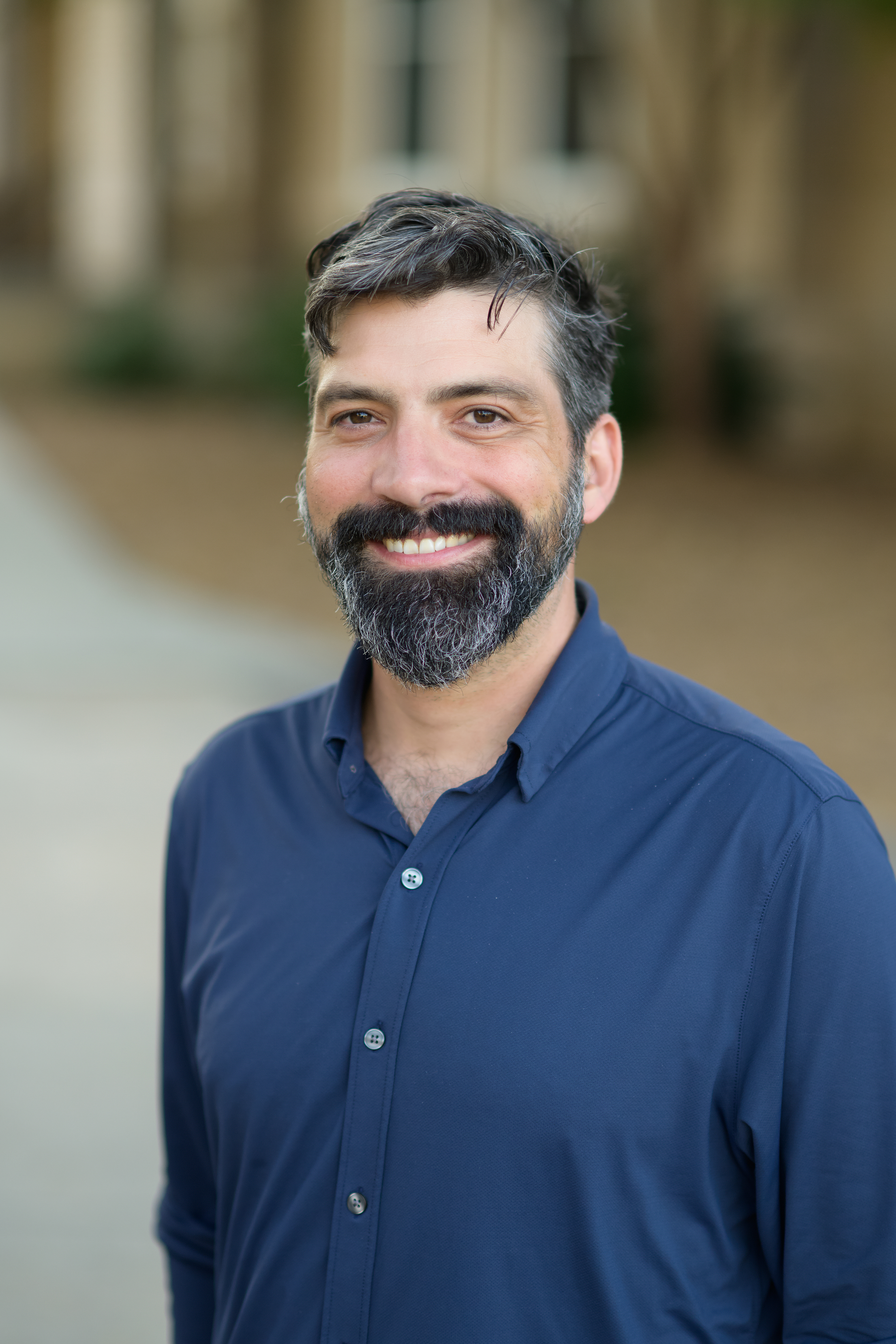
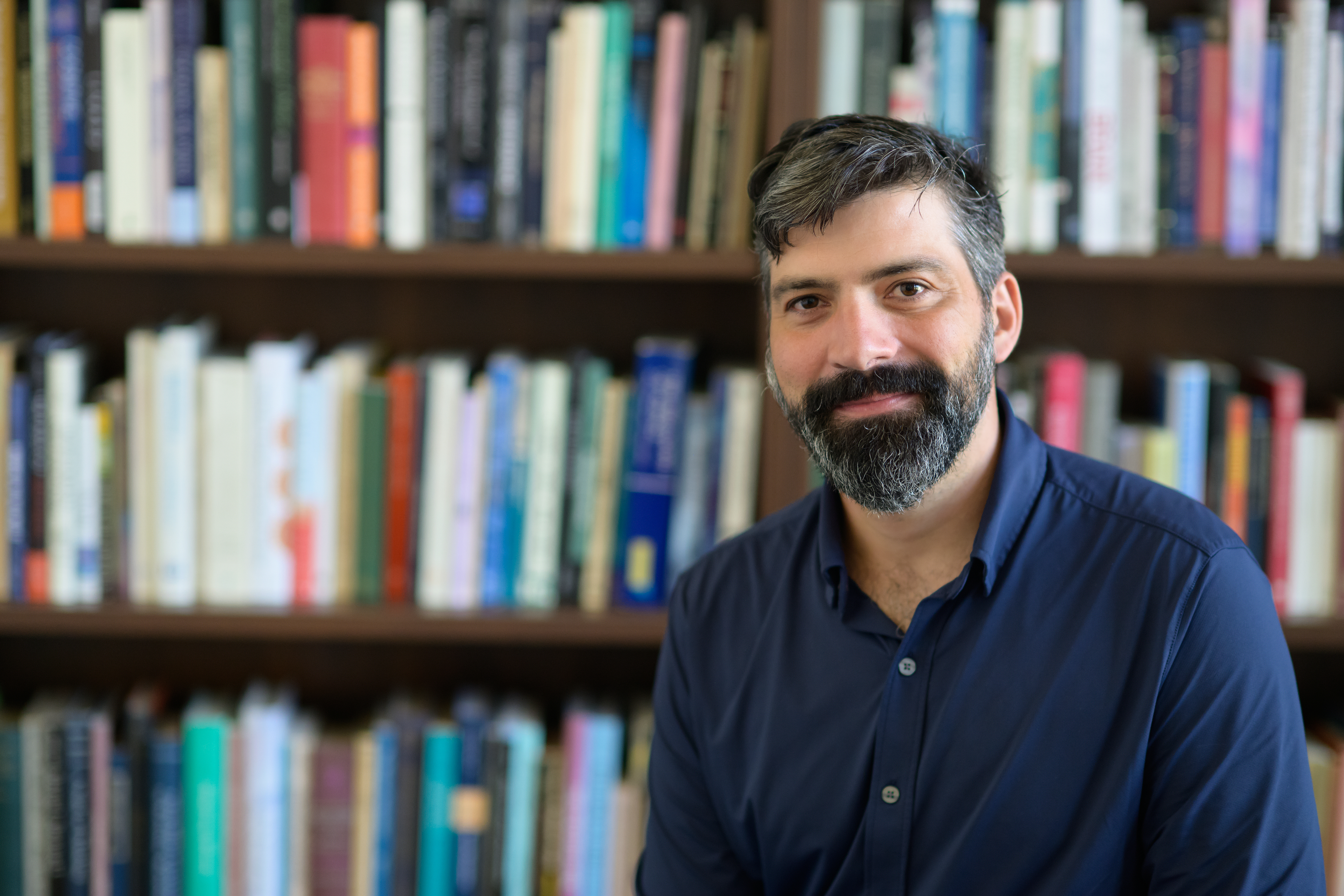
Felipe De Brigard is a philosopher and cognitive scientist reshaping our understanding of the nature and function of memory. He integrates tools and frameworks from philosophy, psychology, and neuroscience in theoretical and empirical investigations into how memory relates to other cognitive functions, such as causal and moral judgement, imagination, and forgiveness.
The traditional conception of episodic memory is that it functions as an archive, holding and reproducing memories, so one can recall specific episodes from their past. According to this view, inaccuracies or misrepresentations in memories are caused by either malfunctions or the brain’s intentional reorganization of information into the most usable form for the present moment. De Brigard has challenged these assumptions and proposed that episodic memory is, instead, a constructive and imaginative process. He contends that episodic memory is part of a broader cognitive system that supports hypothetical thinking, that is, imagining what could have been and could be. In behavioral experiments and fMRI studies, De Brigard and collaborators found that when people imagine how episodes from their past could have been different, the regions of the brain that are activated are largely the same as those used in episodic memory recollections. He reframes supposed memory errors (distortions and confabulations) not as failures of memory but as features of a system designed for hypothetical and flexible mental simulation. De Brigard has gone on to show that different sorts of hypothetical thinking (for example, imagined alternatives relating to the self vs. an object outside the self; likely or plausible imagined alternatives vs. implausible alternatives) engage slightly different regions of the brain, suggesting that our capacity for hypothetical thinking is not unified but rather involves distinct processes.
In his current research, De Brigard considers the implications for everyday human experience of episodic memory being a form of imaginative or hypothetical thinking. De Brigard and collaborators are investigating the relationship between memory and forgiveness with victims of political violence in his native Colombia. In controlled experiments and fieldwork, they examine how, over time, forgiveness alters the emotional charge of memories of being wronged. His findings show that forgiving does not affect one’s memory of the content of the harmful event; instead, forgiveness makes the memory less emotionally intense and less negative. In this and other projects, De Brigard is seeding new interdisciplinary research that connects the basic mechanisms of memory to questions of moral repair and social healing.