




 Location
 Age
Age Area of Focus
 Website(s)
 Social
About Chip's Work
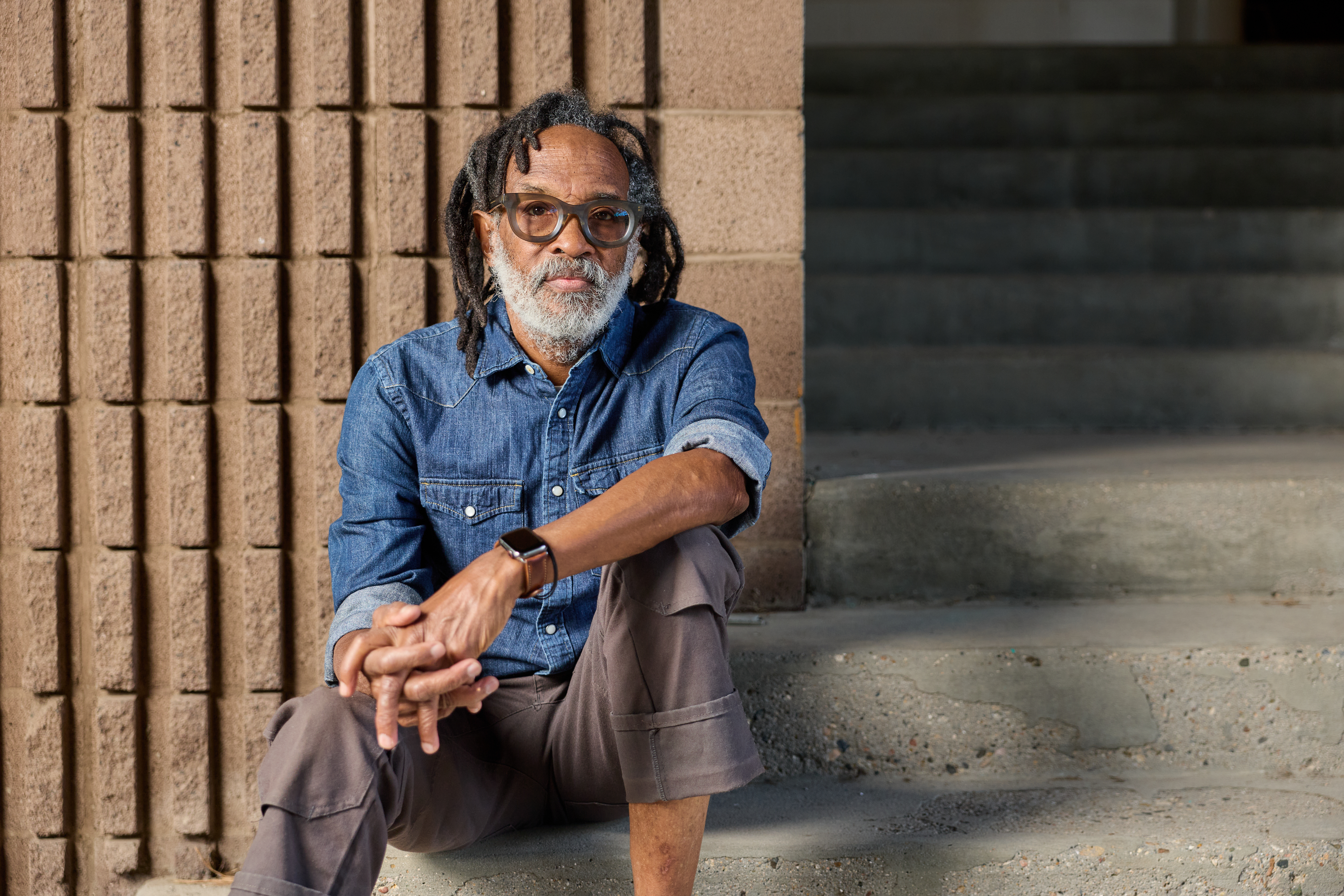
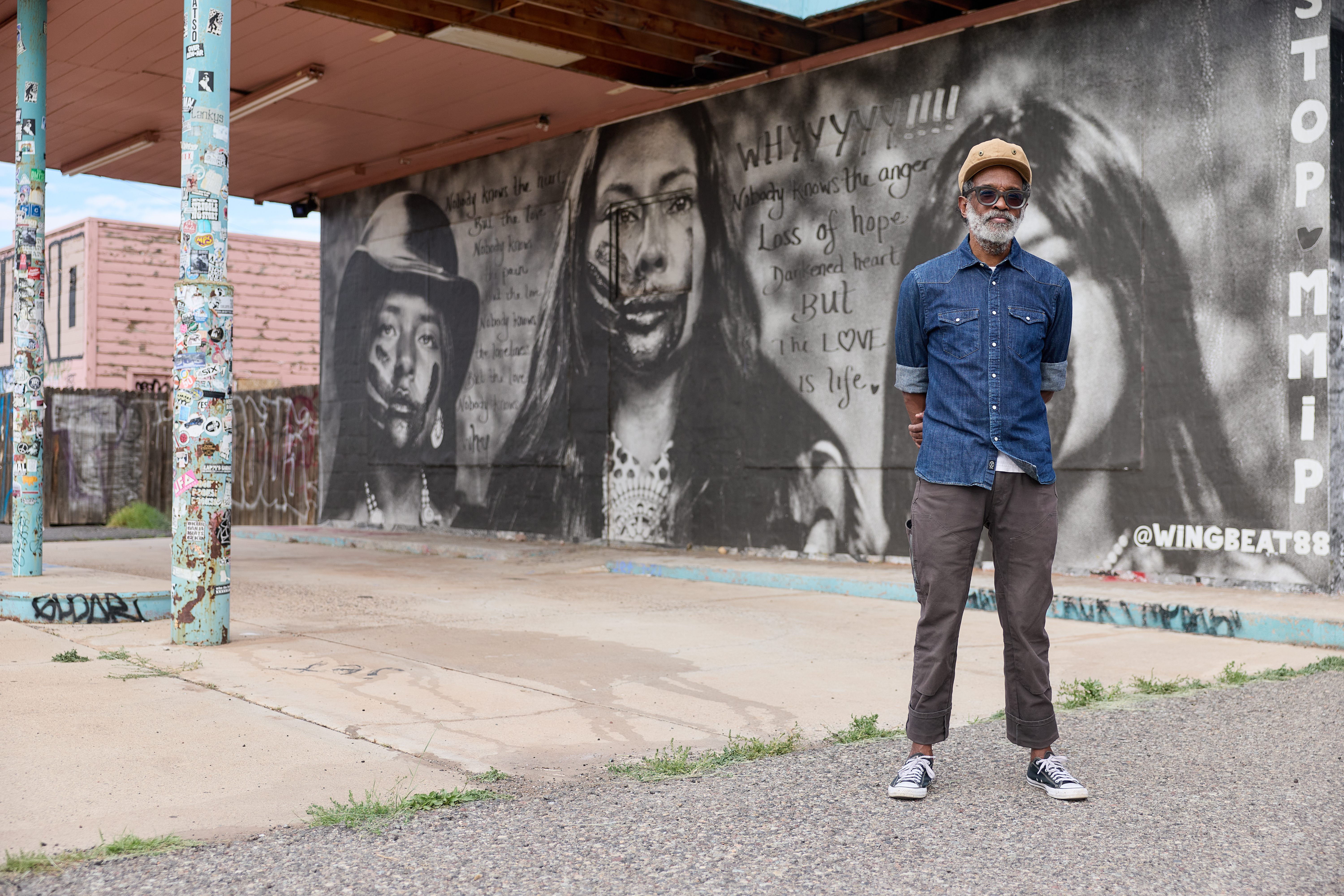
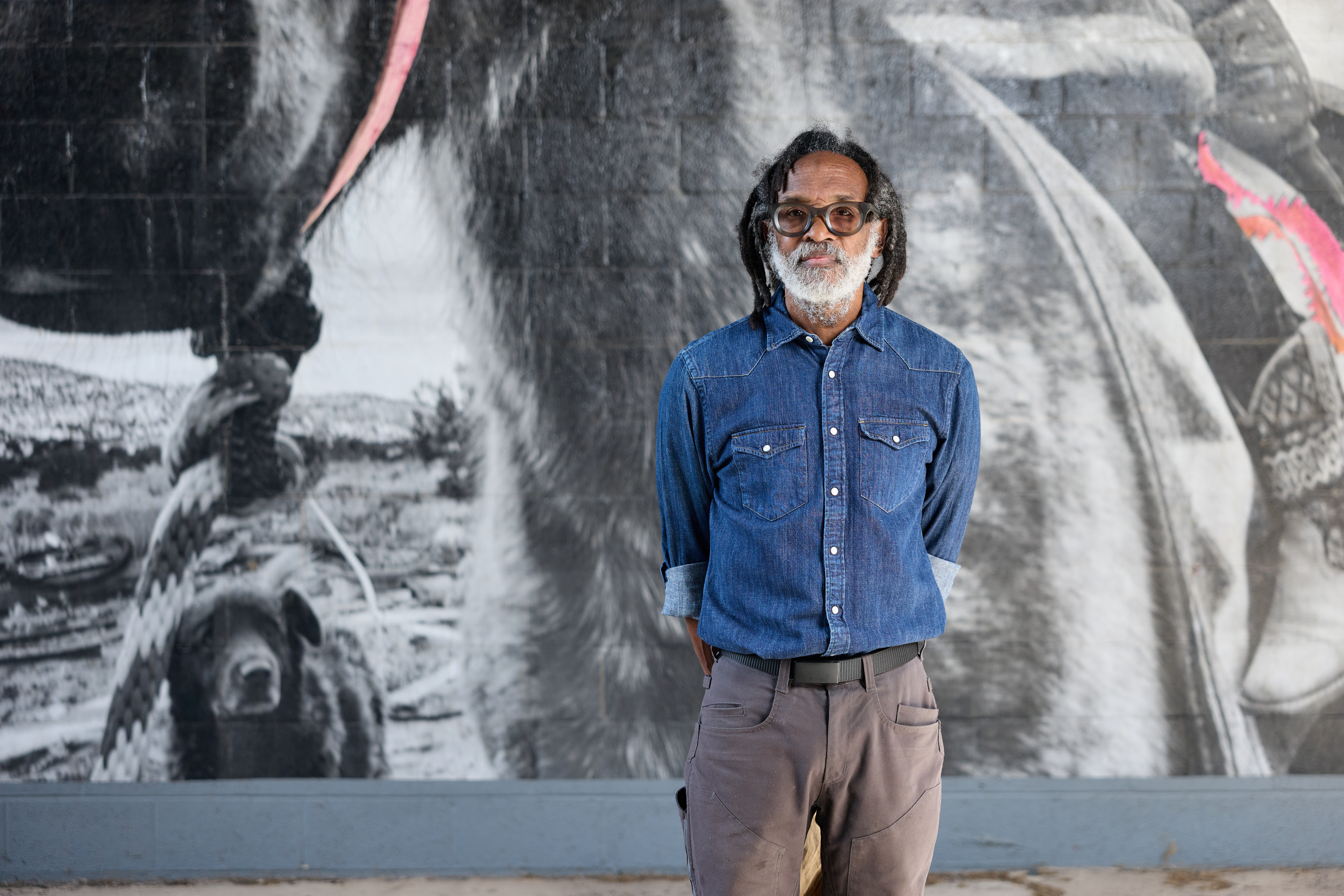
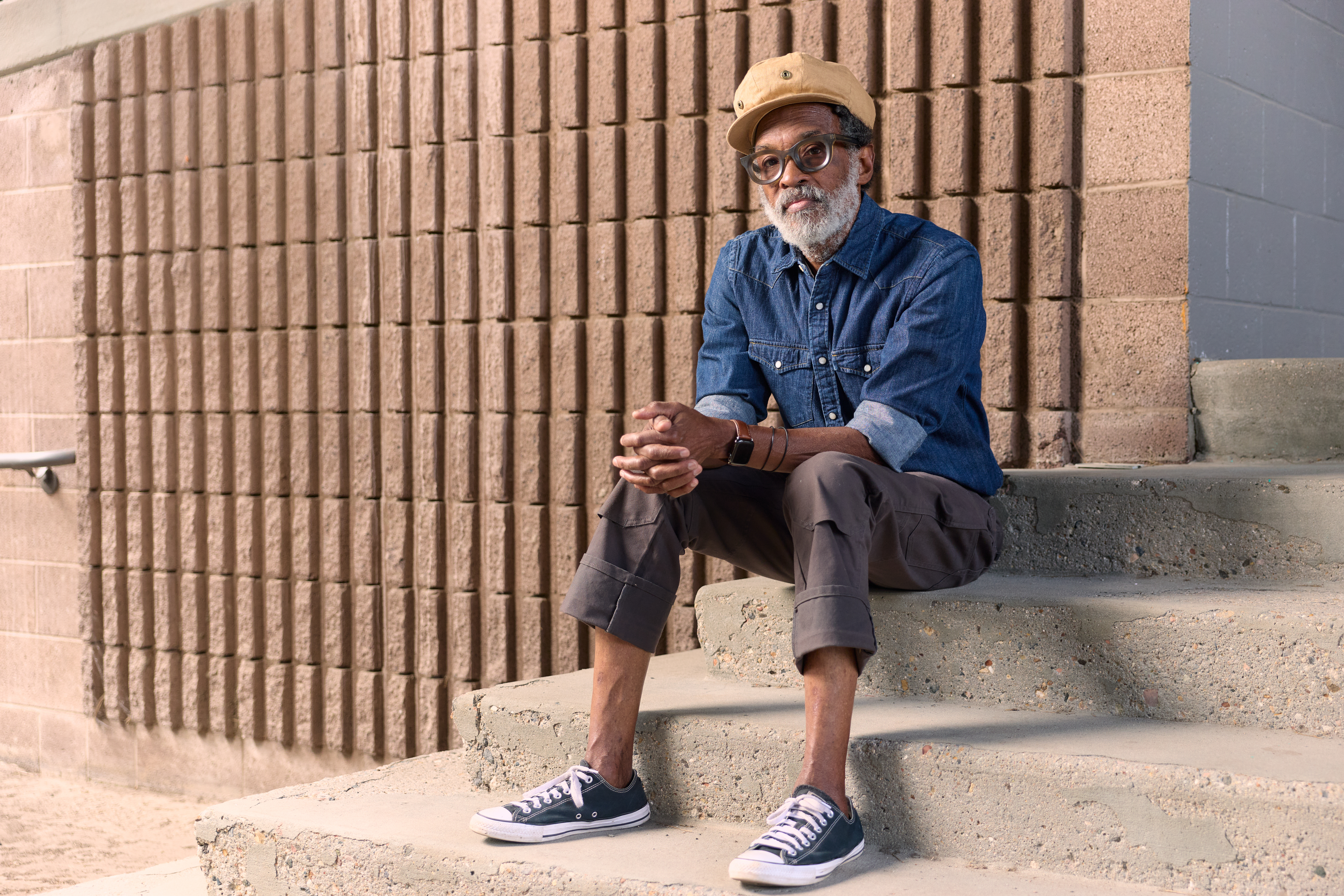
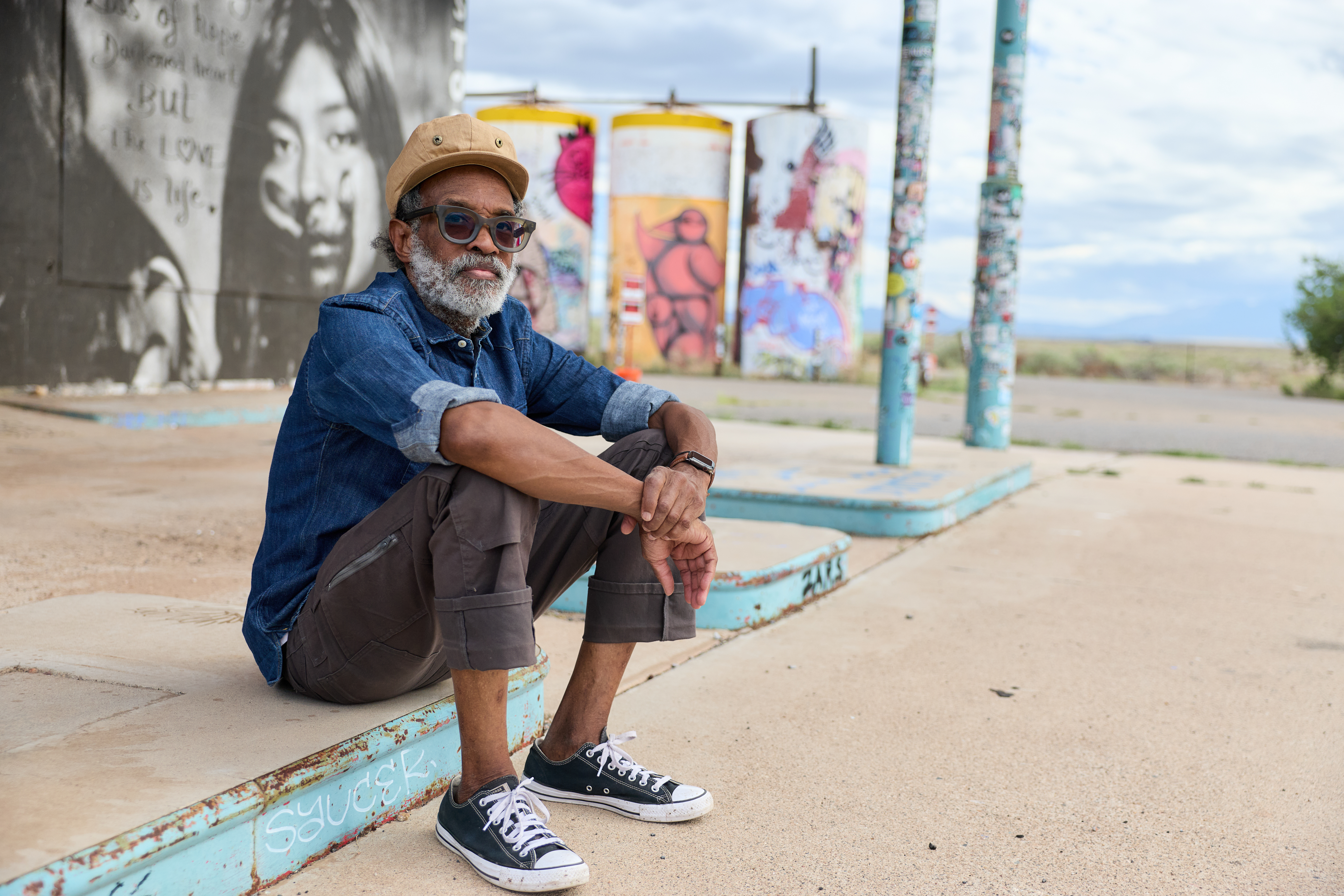
Chip Thomas is a public artist transforming overlooked and neglected spaces into powerful public works grounded in community histories and present-day experiences. Most of Thomas’s works are sited on the Navajo Nation and made in collaboration with the Diné People. He began his artistic work during his 36-year career as a primary care physician on the Navajo Nation. The ethos of care and healing from his medical practice is also evident in his artistic practice, particularly those works that confront the legacies of colonial violence and environmental degradation.
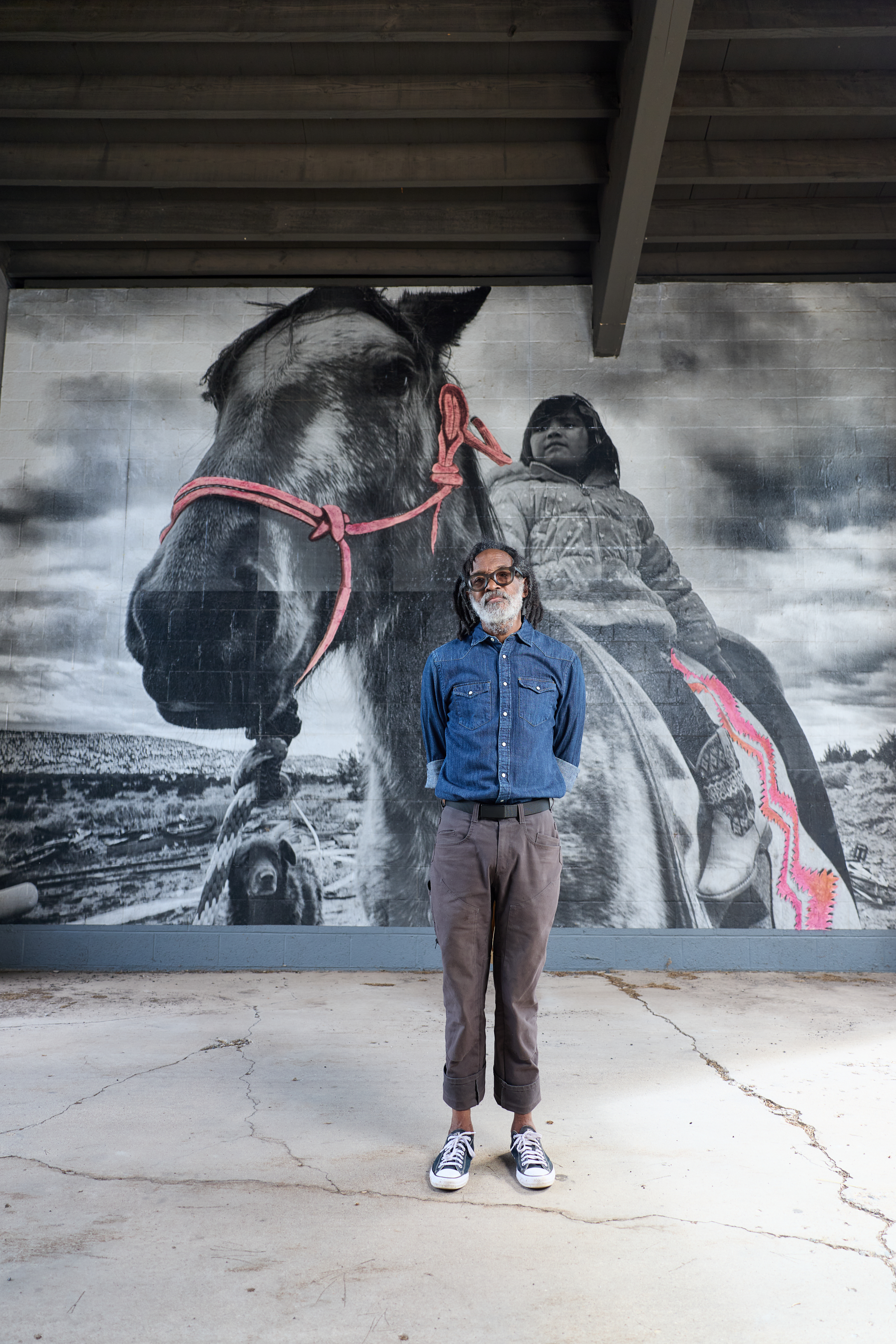
Since 2009, Thomas has installed large-scale black-and-white photographs on abandoned buildings, grain silos, and other roadside structures across the Navajo Nation. The portraits of Diné People of various ages and images of sheep, horses, and the landscape turn the structures into sites of cultural memory and affirmation. Thomas has deeply engaged with local communities and worked with small institutions across the country to create similar murals that reflect their lives. In 2012, Thomas formed the Painted Desert Project, which brought street artists from around the world for a residency on the Navajo Nation. The artists collaborated with Diné elders, youth, and activists to design and install murals throughout the area. More recently, Thomas has extended his place-based practice, installing and curating exhibitions that grapple with difficult, little-known histories of the American West. In two exhibitions at the Fort Garland Museum in Colorado, he created new works and invited contributions from other artists to tell the story of Native enslavement in the San Luis Valley (Unsilenced: Indigenous Enslavement in Southern Colorado, 2021) and the entangled history of Black soldiers sent by the U.S. Army to remove Indigenous people from their land (buffalo soldiers: reVision, 2023).
In the photographic installation panaceas, promises + problems (2024), Thomas highlights the continued damage from over 500 abandoned uranium mines on the Navajo Nation. As a physician, he saw firsthand the continuing health effects of uranium mining on Diné men and their families. The installation is a mural made of two images, each 18 feet tall—a young man riding a horse in the 1950s, and an older woman's hands holding an image of her father in a uranium mine. They juxtapose mid-twentieth-century optimism about technological advancements and the suffering of the Diné People, whose health and well-being were sacrificed for the sake of progress. In a body of work built through years of trust and collaboration, Thomas advances a model of socially engaged art defined by unwavering commitment to place and community.