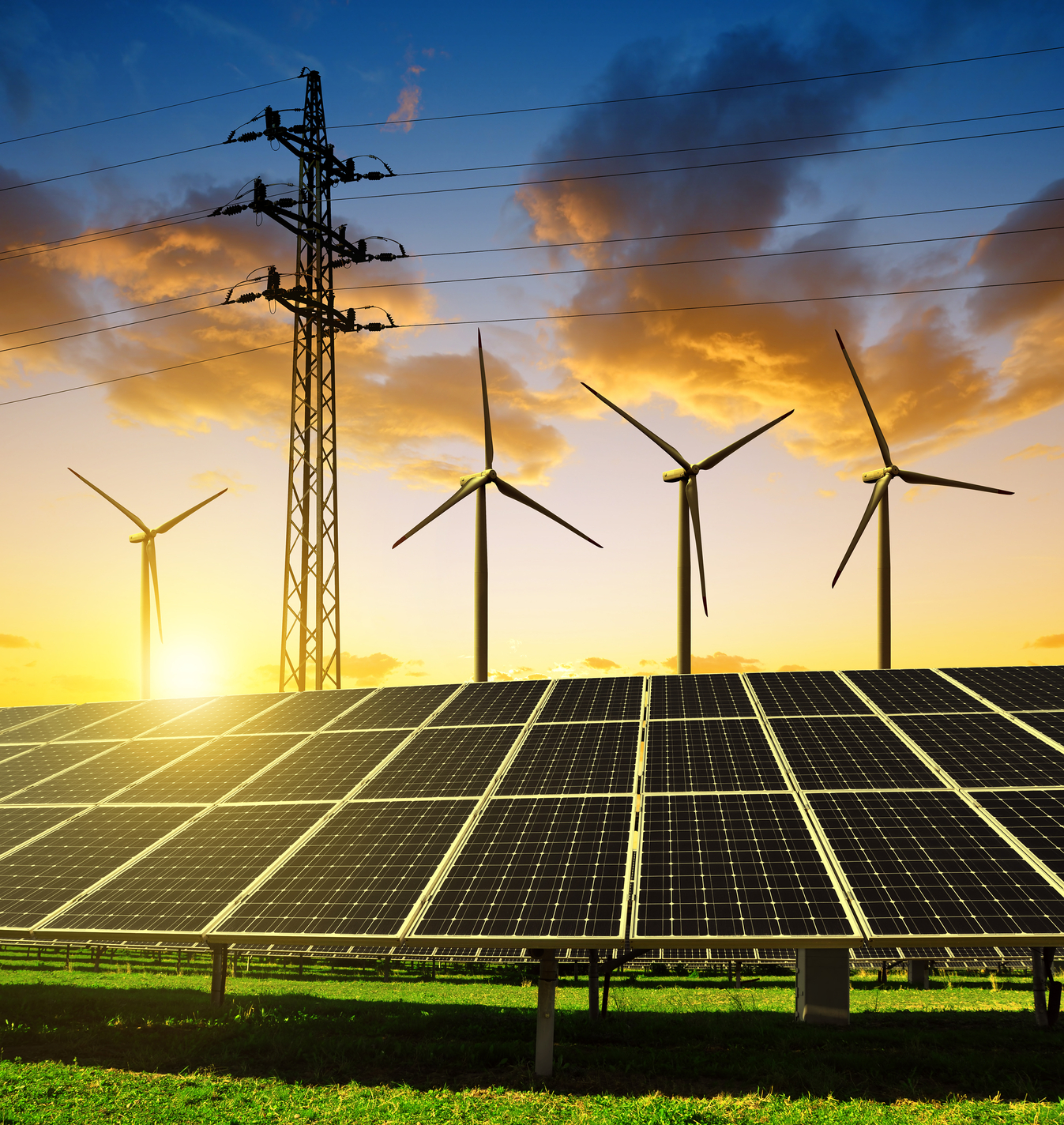
A Clean Energy Future Built with Rural Communities
BOLD Energy Builders works with rural communities to ensure that the people who live on the land help shape—and share in the benefits of—America’s clean energy future. Through local organizing, education, legal support, and alliances that cross political and cultural divides, BOLD helps residents protect their land and property rights while pursuing energy investments that strengthen their communities.
More About BOLD Energy Builders
Rural America has much of the land needed to expand wind and solar power. Too often, however, outside developers enter communities without first building trust, listening to local concerns, or ensuring that the economic benefits will be widely shared. BOLD advances a different model: treating communities as essential partners in the clean energy transition.
BOLD brings together farmers, ranchers, tribal nations, union workers, climate advocates, and other local leaders around shared priorities—including protecting land and water, strengthening public services, creating good jobs, and keeping rural communities vibrant. Through door-to-door conversations and locally tailored information, its organizers also help residents separate legitimate concerns about energy development from misinformation designed to divide communities.
A central part of BOLD’s approach is helping residents negotiate a legally binding Community Benefit Agreement or CBA. These agreements allow communities to determine how energy projects should be developed and what benefits developers must provide in return. In the New Rockford area of North Dakota, residents secured an agreement connected to a wind project that included new community investments and $350,000 to renovate a historic theater—a gathering place that residents hope will help revitalize their town.
By putting rural residents at the negotiating table, BOLD is demonstrating that communities do not have to choose between clean energy and local control. Its work offers a path toward energy development that respects rural culture, protects property rights, builds community wealth, and gives more people a stake in the transition.